




















Transform Your Home with Conservatories: The Ultimate Guide to Design, Benefits, and Inspiration
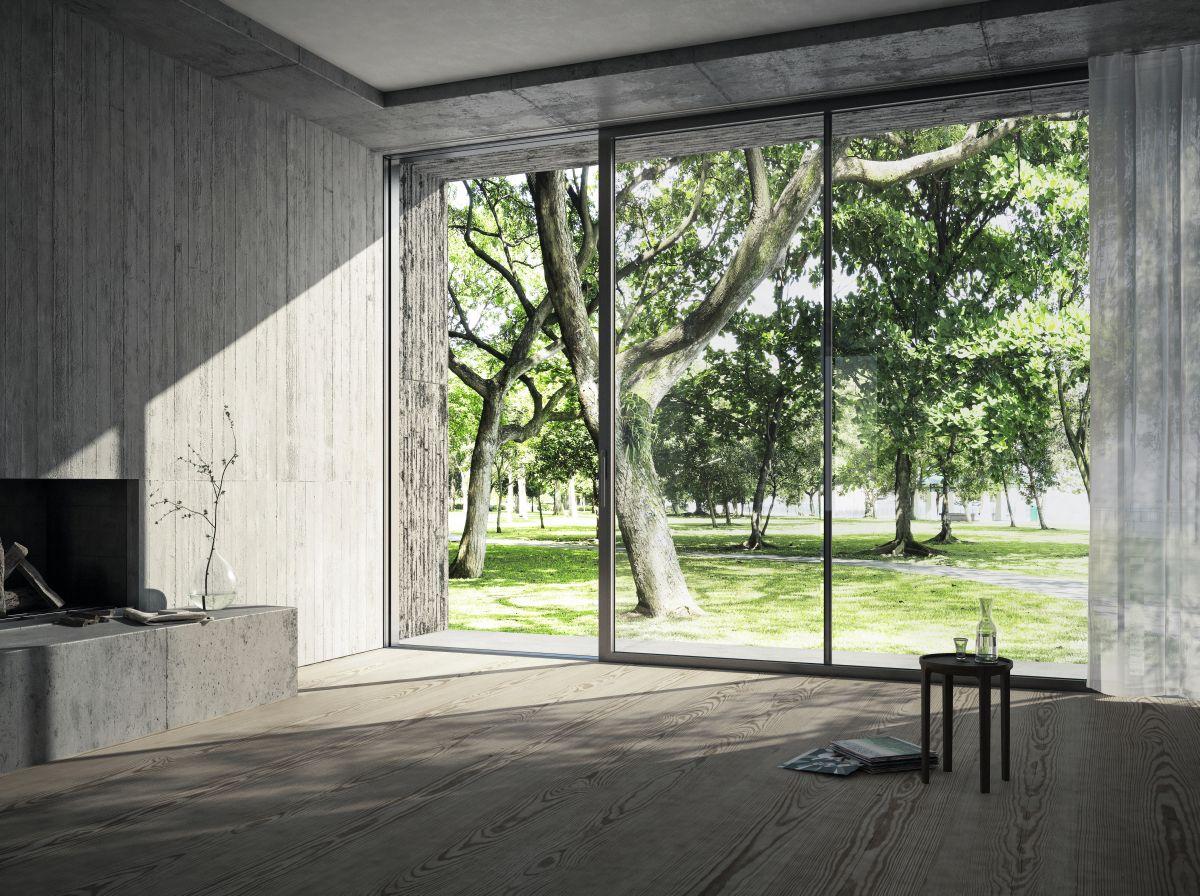
Imagine stepping into a sun-drenched oasis where nature seamlessly intertwines with your living space. Conservatories offer a magical blend of beauty and functionality, transforming your home into an inviting retreat. In our ultimate guide, we’ll explore various designs that suit any architectural style, from classic elegance to modern minimalism. Discover the myriad benefits of adding a conservatory, including increased light, enhanced views, and an expanded living area that elevates your home’s value.
Whether you envision a cosy reading nook surrounded by greenery or a vibrant space for entertaining, inspiration awaits! Join us as we delve into the captivating world of conservatories, equipped with expert tips and creative ideas to help you design the perfect sanctuary that reflects your personality and lifestyle. Embrace the possibilities!
The Different Types of Conservatories: Styles and Designs
Conservatories are available in a plethora of styles and designs, each offering unique characteristics that can complement different architectural tastes. One of the most traditional styles is the Victorian conservatory, recognised by its ornate detailing and multifaceted bay windows that provide a panoramic view of the garden. The Victorian style is ideal for homes with a classic design, as it adds elegance and a touch of historical charm.
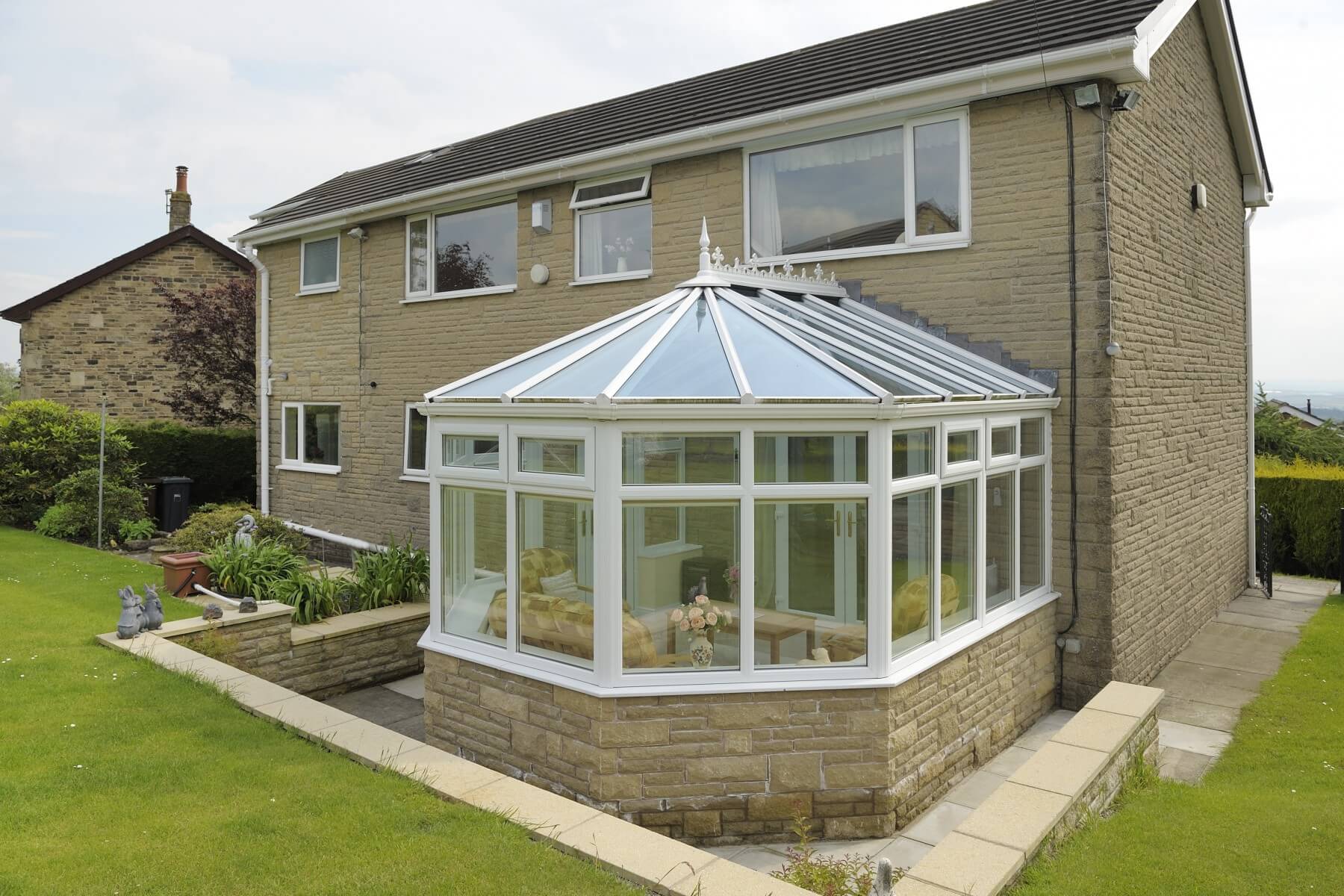
Another popular style is the Edwardian conservatory, which is known for its clean lines and rectangular or square shape. Unlike the Victorian, the Edwardian conservatory offers more usable floor space due to its straightforward geometry, making it a practical choice for those who value both aesthetics and functionality. It pairs well with various home styles, from traditional to modern, owing to its timeless appeal.

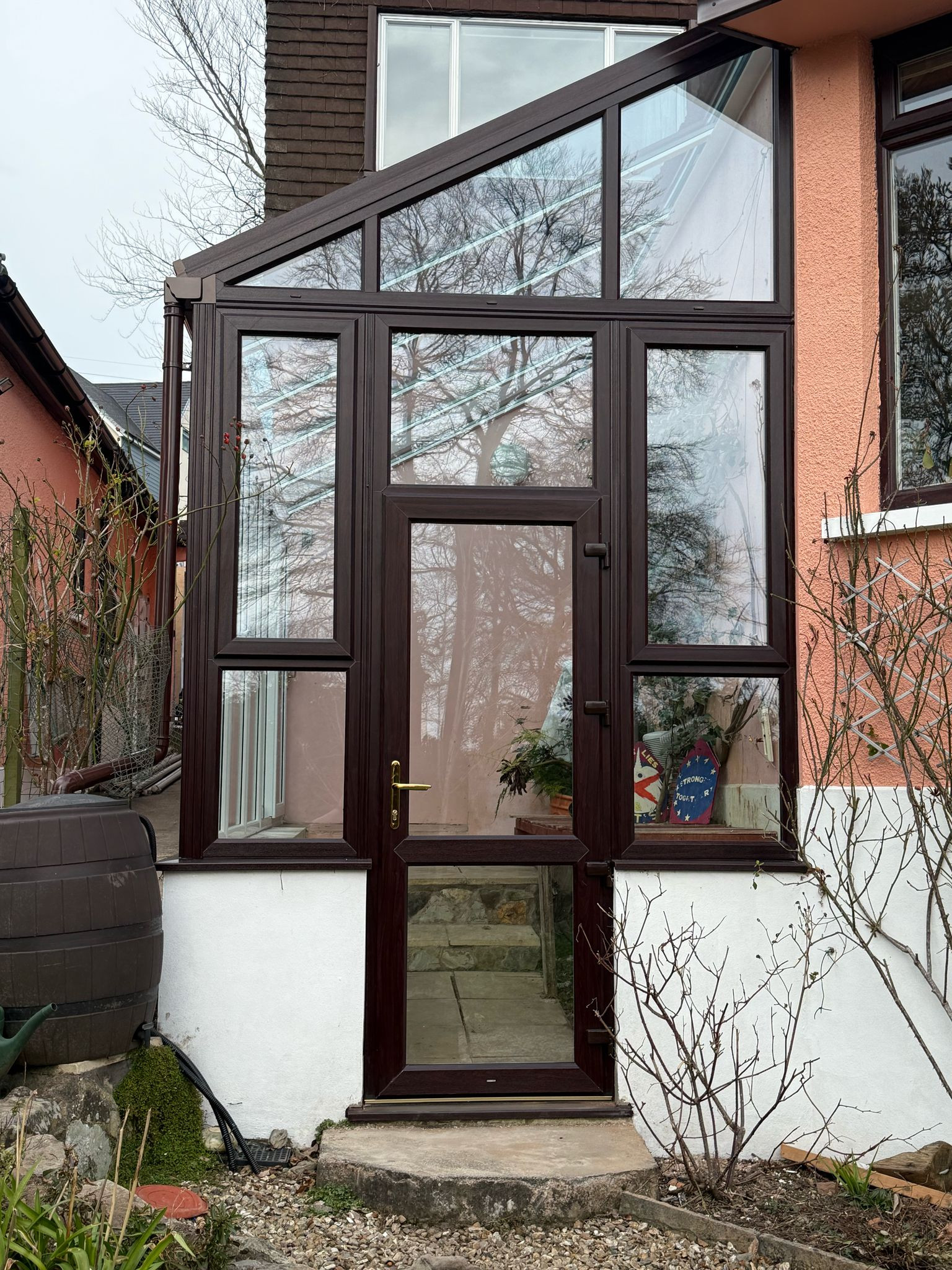
For those who prefer a more contemporary look, the lean-to conservatory is an excellent option. Characterised by its simple design and sloping roof, the lean-to conservatory is often referred to as a sunroom or garden room. This style is perfect for modern homes and smaller spaces, offering a sleek and minimalistic aesthetic that emphasizes natural light and openness. The versatile design of the lean-to conservatory makes it a popular choice for homeowners looking to create a seamless indoor-outdoor living experience.
Key Benefits of Adding a Conservatory to Your Home
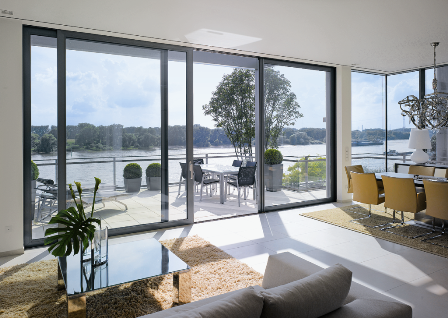
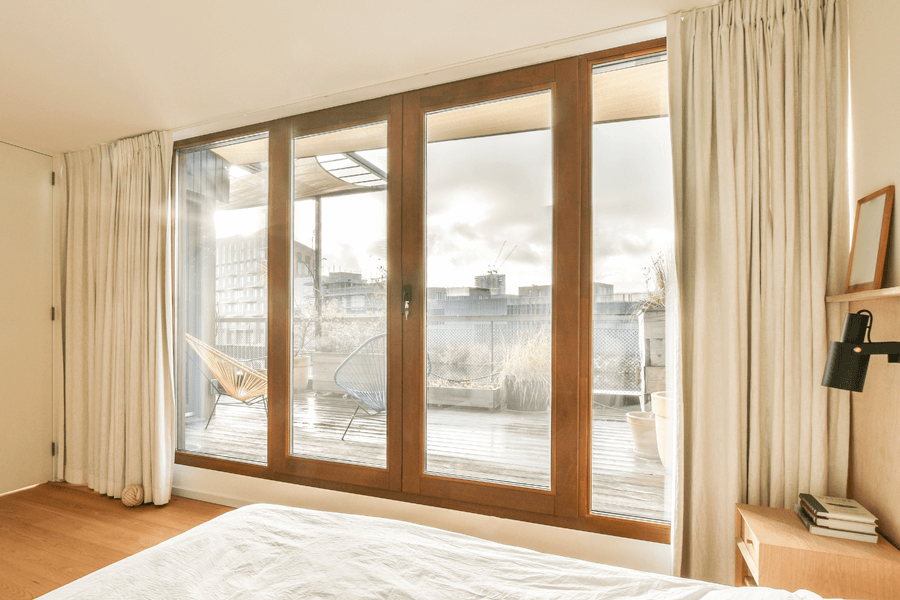
Adding a conservatory to your home offers a multitude of benefits that extend beyond just aesthetic appeal. One of the most significant advantages is the increase in natural light. Conservatories are designed with large expanses of glass, which allow sunlight to flood into the space, creating a bright and uplifting environment. This abundance of natural light not only enhances the visual appeal of the conservatory but also contributes to the overall well-being of the occupants, as exposure to natural light is known to improve mood and increase energy levels.
Moreover, a conservatory provides an enhanced connection to the outdoors. With its expansive windows and often panoramic views, a conservatory allows you to enjoy the beauty of your garden and the changing seasons from the comfort of your home. This connection to nature can have a calming and rejuvenating effect, making your conservatory a perfect retreat for relaxation, whether you’re reading a book, enjoying a cup of tea, or simply soaking in the views.
Another key benefit of adding a conservatory is the increase in living space. A well-designed conservatory can serve as a versatile extension of your home, providing additional room for a variety of activities. Whether you use it as a dining area, a home office, a playroom for children, or an entertainment space for guests, the possibilities are endless. This added space not only enhances your lifestyle but can also increase the value of your property, making a conservatory a worthwhile investment for the future.
How to Choose the Right Location for Your Conservatory
Selecting the right location for your conservatory is crucial for maximizing its benefits and ensuring it integrates seamlessly with your home. One of the first considerations is the orientation of the conservatory, as this will determine the amount of sunlight it receives throughout the day. For instance, a south-facing conservatory will receive the most sunlight, making it ideal for those who want a bright and warm space. However, it may also require additional shading solutions to prevent overheating during the summer months.
In contrast, a north-facing conservatory will receive less direct sunlight and may be cooler, making it suitable for those who prefer a more temperate environment. East-facing conservatories benefit from morning sunlight, making them perfect for early risers who enjoy starting their day with natural light. Meanwhile, west-facing conservatories capture the afternoon and evening sun, creating a cosy and inviting atmosphere for relaxation after a long day.
Another important factor to consider is the accessibility and integration with the existing layout of your home. Ideally, the conservatory should be easily accessible from the main living areas, such as the kitchen or living room, to ensure a seamless flow between spaces. Additionally, the location should complement your garden or outdoor space, enhancing the overall aesthetic and providing a harmonious transition between indoor and outdoor living. By carefully considering these factors, you can choose the perfect location for your conservatory that maximises its potential and enhances your home’s functionality and appeal.
Essential Design Elements for a Stunning Conservatory
Creating a stunning conservatory involves careful attention to several key design elements that can elevate the space and make it both beautiful and functional. One of the most important aspects is the choice of glazing. High-quality, energy-efficient glazing is essential for maintaining a comfortable temperature in the conservatory year-round. Double or triple glazing can help to retain heat during the winter months, while specialised coatings can reduce solar gain in the summer, preventing the space from becoming too hot.
Another essential design element is the roof. The style and material of the conservatory roof can significantly impact the overall aesthetic and performance of the space. Options include glass roofs, which provide maximum light and a feeling of openness, as well as polycarbonate and tiled roofs, which offer greater insulation and a more solid appearance. The choice of roof should align with your desired level of light, thermal performance, and the overall architectural style of your home.
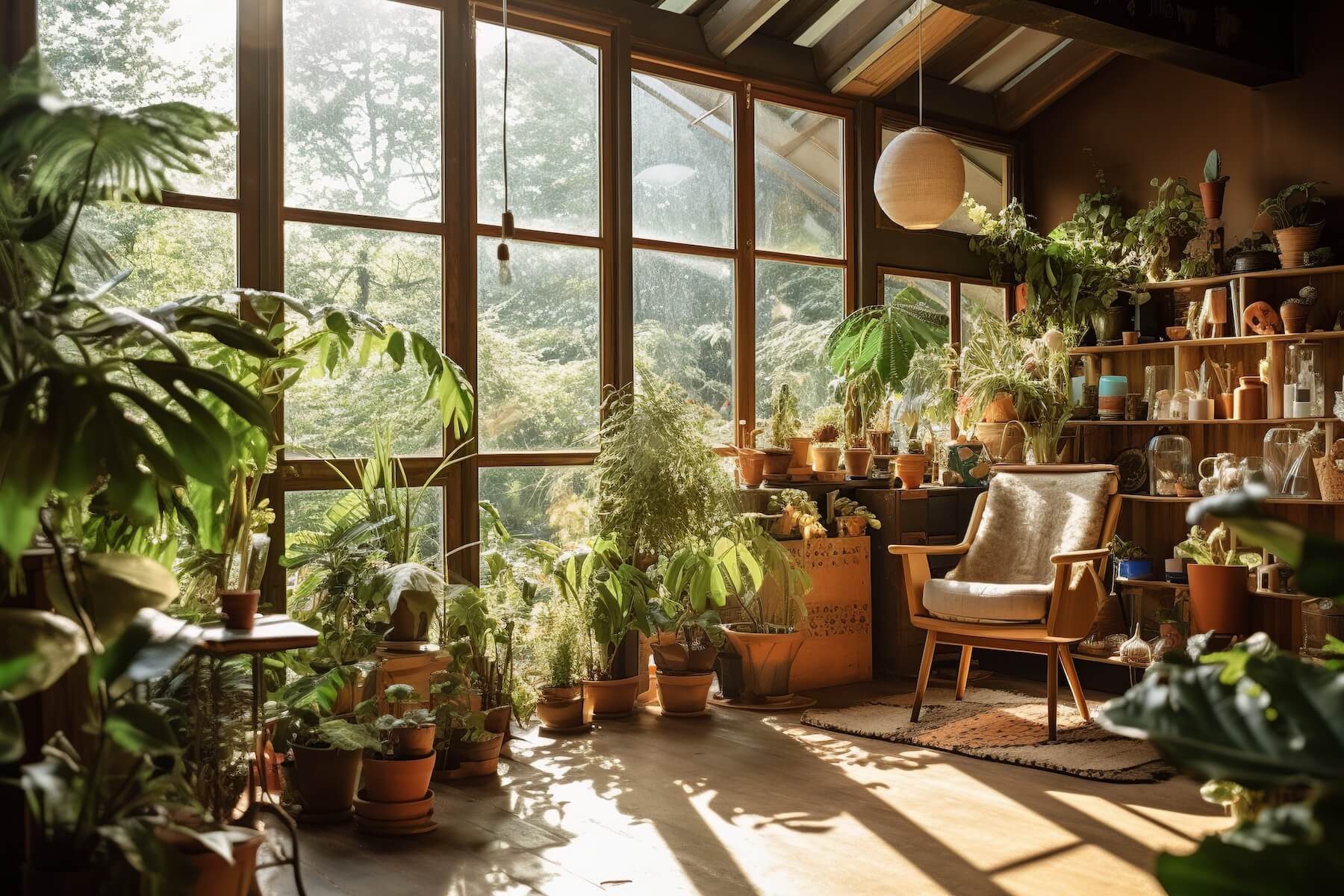
Interior design choices also play a crucial role in creating a stunning conservatory. Selecting the right furniture, flooring, and decor can transform the space into a cosy and inviting retreat. Opt for comfortable seating that encourages relaxation, such as plush sofas, armchairs, and chaise lounges. Incorporate natural materials like wood, rattan, and stone to enhance the connection to the outdoors. Additionally, consider the use of greenery and botanical elements, such as potted plants, hanging planters, and vertical gardens, to bring a touch of nature inside and create a serene and refreshing ambiance.
Materials Used in Conservatory Construction: Pros and Cons
The choice of materials for your conservatory construction is a critical decision that affects not only the aesthetic but also the durability, maintenance, and overall performance of the space. One of the most common materials used is uPVC (unplasticized polyvinyl chloride). uPVC is popular for its affordability, low maintenance, and excellent thermal efficiency. It is available in a variety of colors and finishes, allowing for customization to suit different styles. However, it may not offer the same level of aesthetic appeal as traditional materials like wood or aluminum.
Wood is another widely used material, prized for its natural beauty and timeless elegance. Wooden conservatories can add a touch of warmth and character to your home, and they can be stained or painted to match your existing decor. However, wood requires regular maintenance to protect it from the elements and prevent issues like rot or warping. Despite the upkeep, many homeowners find the charm and authenticity of wood to be well worth the effort.

Aluminum is a modern and durable material that is increasingly popular for conservatory construction. It is strong, lightweight, and resistant to corrosion, making it an ideal choice for large or contemporary designs. Aluminum frames can be powder-coated in various colors, providing a sleek and stylish finish. While aluminum is generally more expensive than uPVC, its longevity and minimal maintenance requirements make it a cost-effective option in the long run. Each material has its own set of advantages and disadvantages, so it’s important to consider your priorities and budget when making your selection.

Tips for Decorating Your Conservatory: Creating Your Oasis
Decorating your conservatory is an exciting opportunity to create a personalised oasis that reflects your style and enhances your enjoyment of the space. One of the key aspects of decorating is choosing the right colour scheme. Light and neutral colors, such as whites, creams, and pastels, can create a bright and airy atmosphere, making the most of the natural light. For a more dramatic and cosy feel, consider using deeper hues like navy, emerald, or charcoal, which can add depth and sophistication to the space.
Furniture selection is another crucial element in creating a comfortable and inviting conservatory. Opt for pieces that are both stylish and functional, ensuring that they can withstand the varying temperatures and humidity levels typical of a conservatory. Wicker, rattan, and teak furniture are excellent choices for their durability and natural aesthetic. Incorporate soft furnishings like cushions, throws, and rugs to add warmth and texture, making the space feel cosy and welcoming.

Plants and greenery are essential in bringing life and vibrancy to your conservatory. Select a variety of indoor plants that thrive in bright, indirect light, such as ferns, palms, and succulents. Consider creating a focal point with a large potted plant or a vertical garden, adding visual interest and a touch of nature. Additionally, accessories like decorative lanterns, fairy lights, and artwork can enhance the overall ambiance, creating a serene and enchanting retreat that you will love spending time in.
Conservatory Maintenance: Keeping Your Space Beautiful
Maintaining your conservatory is essential for keeping it looking beautiful and functioning effectively over the years. Regular cleaning is one of the most important aspects of maintenance. This includes cleaning the glass windows and roof to remove dirt, debris, and algae that can accumulate over time. Use a soft cloth or sponge and a mild, non-abrasive cleaner to avoid scratching the glass. For hard-to-reach areas, consider using a telescopic window cleaning tool or hiring professional cleaners to ensure a thorough job.
In addition to cleaning, it’s important to inspect the structural elements of your conservatory regularly. Check for any signs of wear and tear, such as cracks in the glazing, damaged seals, or loose roof panels. Addressing these issues promptly can prevent more significant problems and ensure the longevity of your conservatory. Regular maintenance of the gutters and drainage systems is also crucial to prevent water buildup and potential damage to the structure.
Another key aspect of conservatory maintenance is managing the internal environment. This includes controlling temperature and humidity levels to create a comfortable space year-round. Use blinds, shades, or curtains to regulate sunlight and reduce heat gain during the summer months. In the winter, consider using a space heater or underfloor heating to keep the conservatory warm and cosy. Additionally, ensure proper ventilation to prevent condensation and mold growth, which can damage both the structure and your furnishings. With regular care and attention, your conservatory will remain a beautiful and enjoyable space for years to come.
Conclusion: Making the Most of Your Conservatory Investment
Investing in a conservatory is a wonderful way to enhance your home, providing a versatile and beautiful space that can be enjoyed year-round. By carefully considering the different styles and designs available, you can choose a conservatory that complements your home’s architecture and reflects your personal taste. The myriad benefits, from increased natural light and enhanced views to expanded living space and added property value, make a conservatory a worthwhile addition to any home.
Selecting the right location, materials, and design elements is essential for maximizing the potential of your conservatory. Thoughtful decoration and regular maintenance will ensure that your space remains a stunning and enjoyable retreat for years to come. Drawing inspiration from real-life transformations can help you envision the possibilities and create a conservatory that meets your unique needs and desires.
Ultimately, a conservatory is more than just an extension of your home; it’s an investment in your lifestyle and well-being. By embracing the beauty and functionality of a conservatory, you can create a sanctuary that brings you joy and enhances your connection to the natural world. So, take the plunge and transform your home with a conservatory.