




















Shining a Light on Architectural Glass: The Clear Choice for Stunning Designs
Are you looking to add a touch of elegance and sophistication to your architectural designs? Look no further than architectural glass. With its clear beauty and versatility, architectural glass has become the go-to choice for stunning designs that stand out from the crowd.
Architectural glass offers endless possibilities for creativity, allowing designers to play with light, transparency, and texture. Its sleek and modern appearance can instantly transform any space, making it a popular choice for both residential and commercial projects.
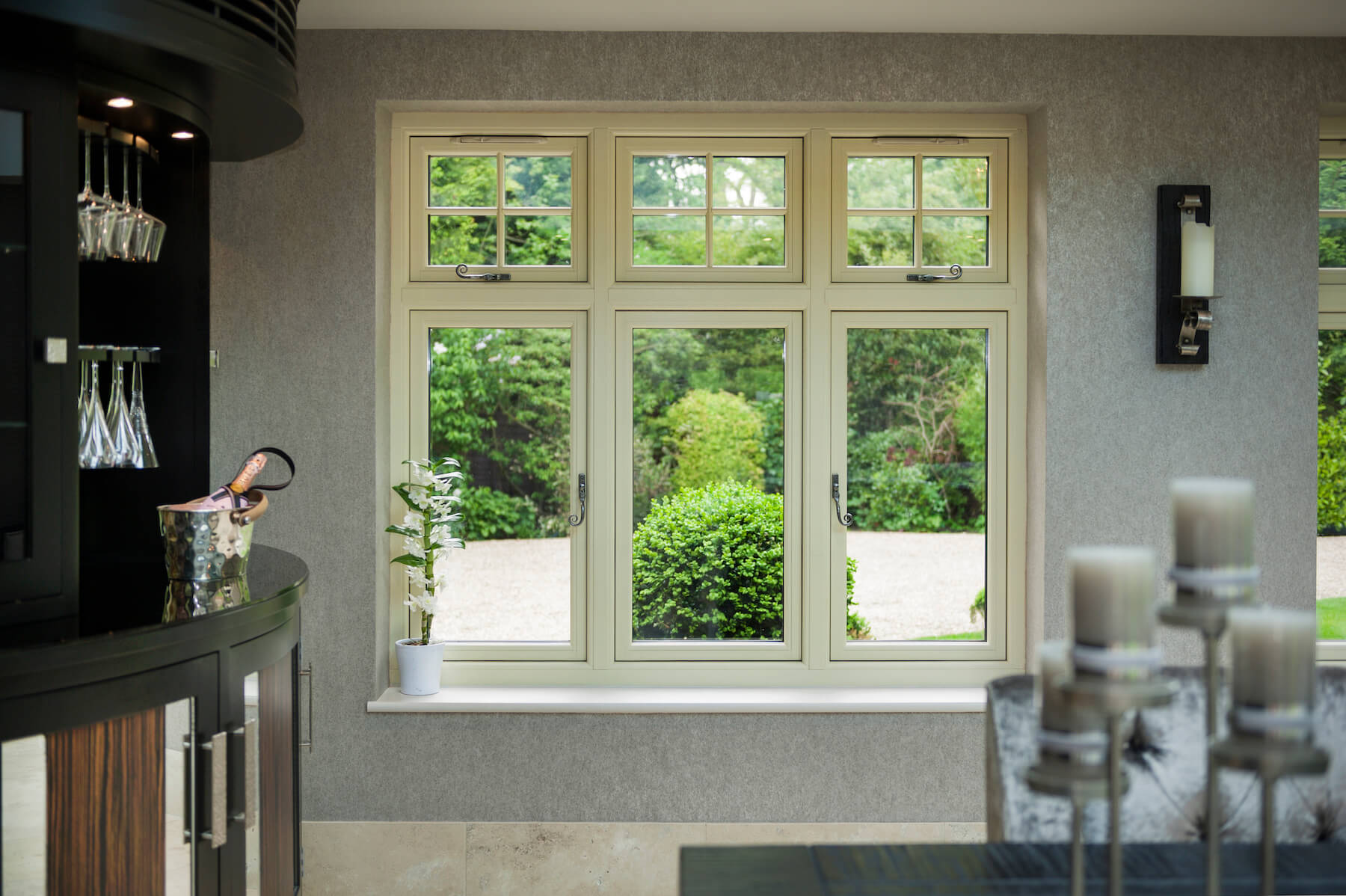
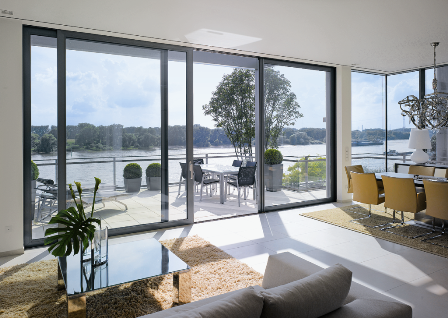
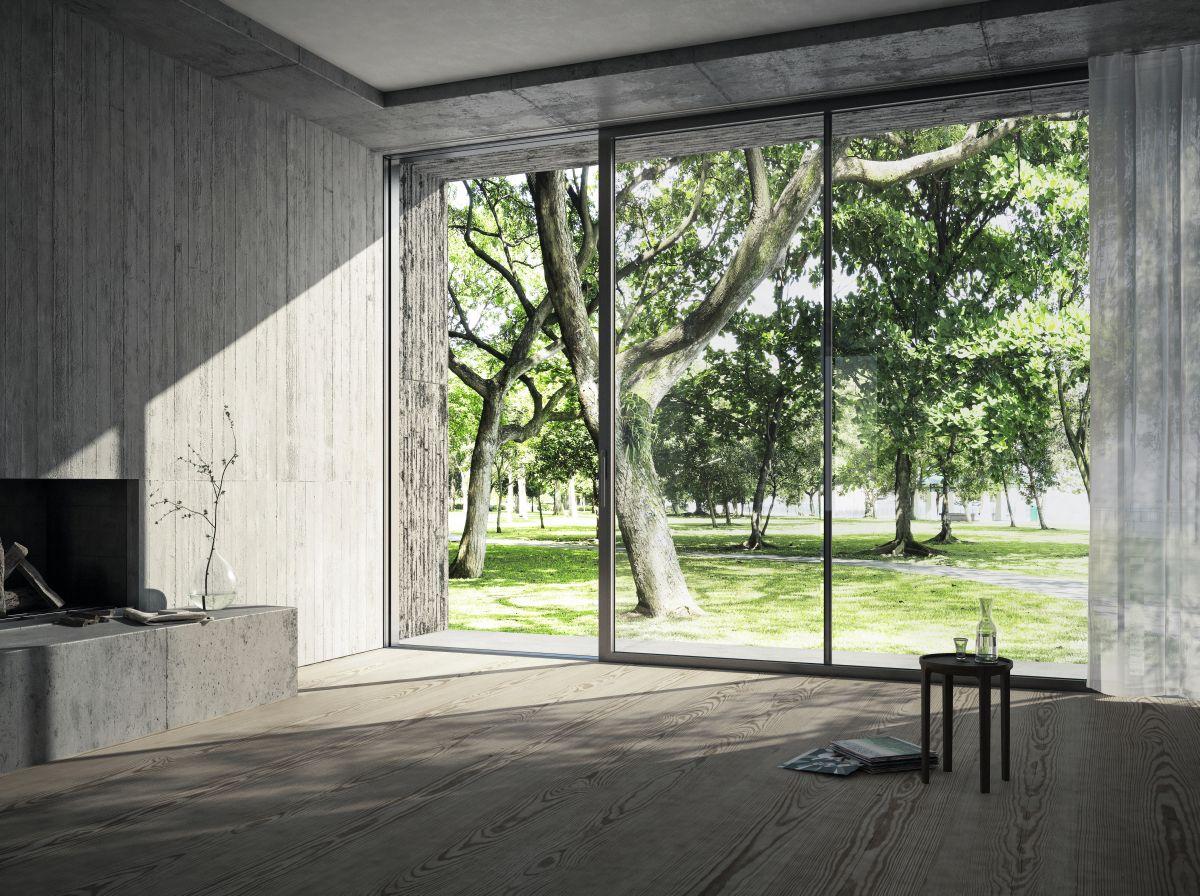
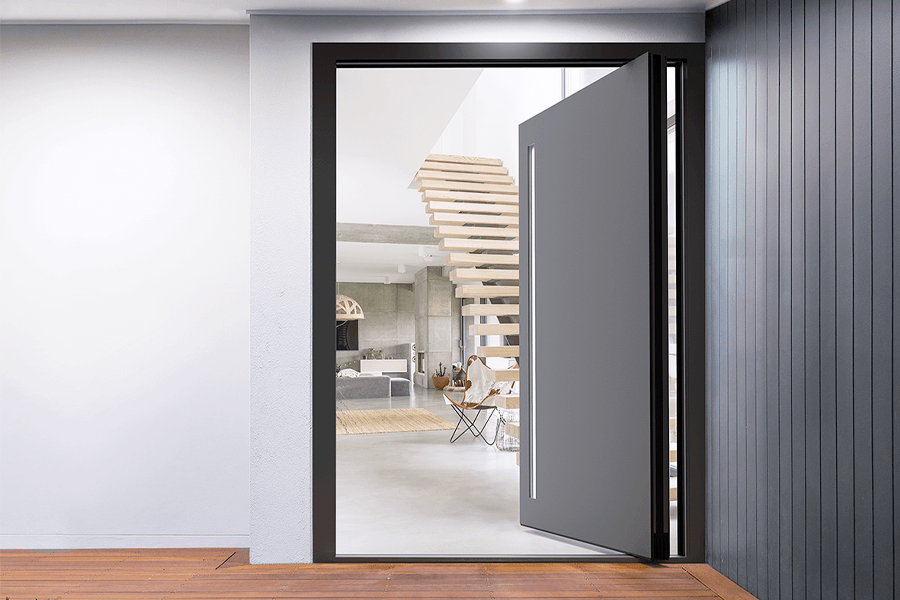
From grand facades to interior partitions, architectural glass provides a seamless connection between indoor and outdoor spaces. It brings in natural light, creating a sense of openness and serenity. Its reflective properties can also enhance the surrounding environment, amplifying stunning views or architectural features.
The durability and safety features of architectural glass make it an excellent investment for long-lasting designs. Whether you’re aiming for a contemporary, minimalist look or a more intricate and detailed approach, architectural glass can be custom-designed to meet your specific vision.
Discover the clear choice for stunning architectural designs. Let architectural glass shine a light on your next project, making a lasting impression from the moment it catches the eye.
Advantages of Using Architectural Glass in Design
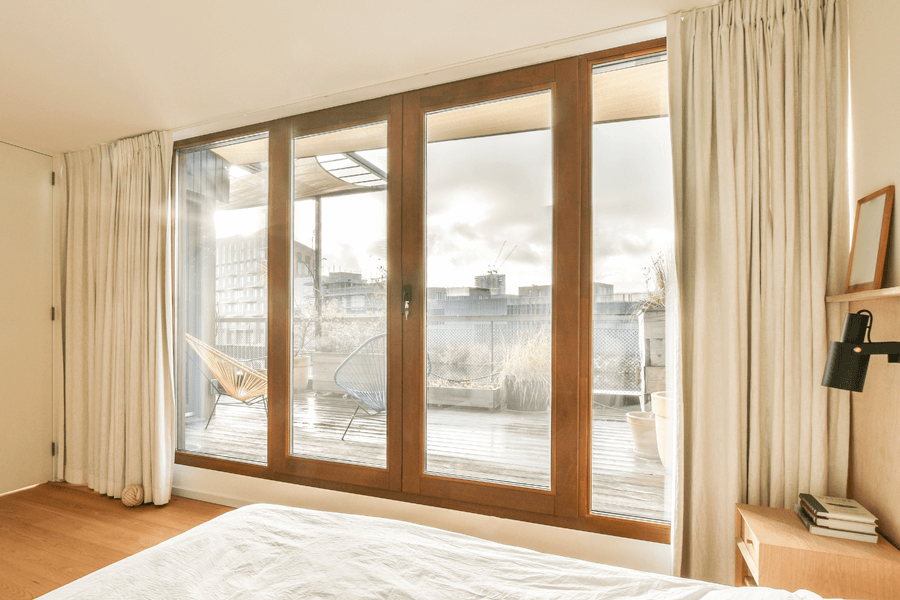
Architectural glass offers numerous advantages that make it a preferred choice for designers. First and foremost, its transparency and clarity allow it to create an illusion of space, making even small areas feel larger and more open. By bringing in natural light, architectural glass eliminates the need for excessive artificial lighting, reducing energy consumption and creating a more eco-friendly environment.
Furthermore, architectural glass offers flexibility in terms of design. It can be shaped, colored, and textured to meet the specific requirements of any project. This versatility allows designers to create unique and customized designs that stand out. Whether you’re looking for a sleek, minimalist aesthetic or a more intricate and artistic approach, architectural glass can be tailored to your vision.
Another advantage of architectural glass is its ability to create a seamless connection between indoor and outdoor spaces. By using glass walls or windows, designers can blur the boundaries between the interior and exterior, allowing for uninterrupted views and a greater sense of harmony with the surroundings. This connection to nature not only enhances the aesthetic appeal but also promotes a sense of well-being and tranquility.
In terms of durability and safety, architectural glass is designed to withstand various weather conditions and provide protection against potential hazards. It is made using tempered or laminated glass, which is stronger and more resistant to breakage compared to regular glass. This makes architectural glass a reliable choice for long-lasting designs that prioritize safety without compromising on aesthetics.
Different Types of Architectural Glass
Architectural glass comes in a variety of types, each with its own unique characteristics and applications. Understanding the different types will help you choose the most suitable option for your design project.
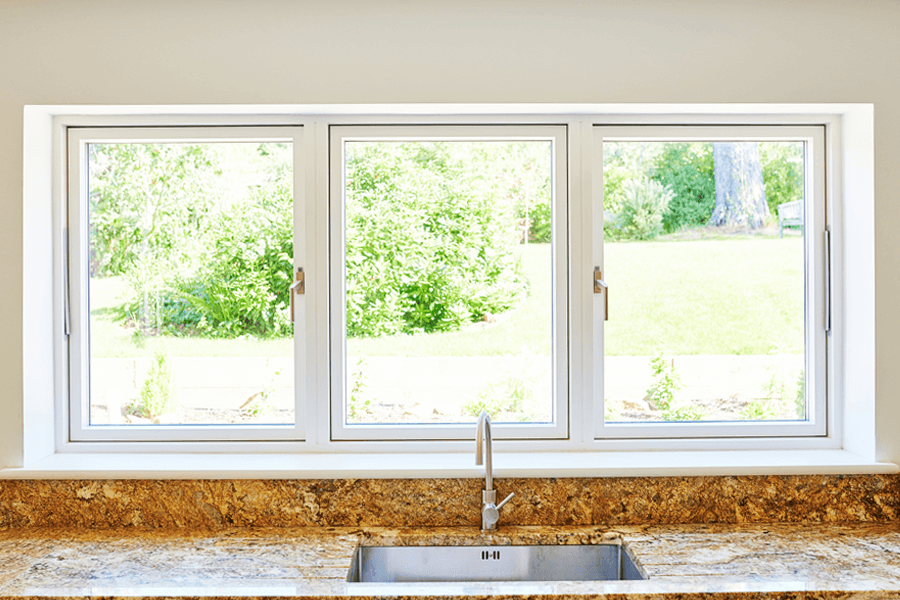
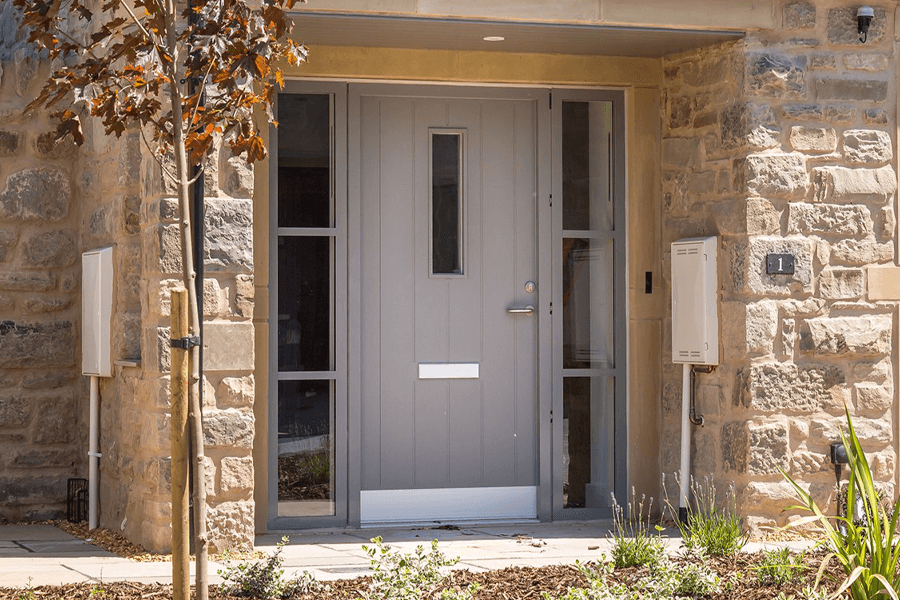
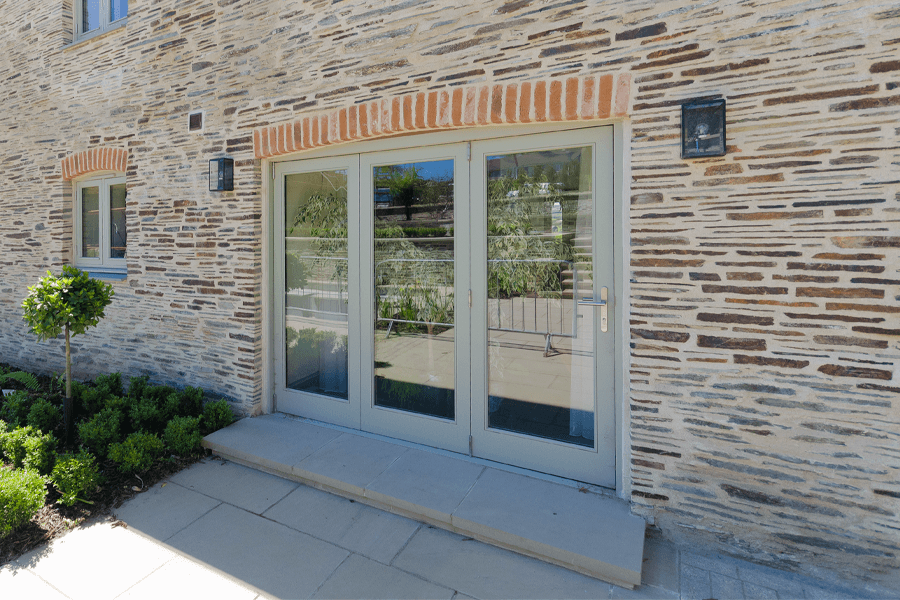
- Clear Glass: This is the most common type of architectural glass and is known for its transparency and clarity. Clear glass allows for maximum light transmission and is often used for windows, skylights, and glass facades where unobstructed views are desired.
- Tinted Glass: Tinted glass is created by adding colorants during the manufacturing process. It reduces the amount of heat and glare from the sun while still allowing natural light to enter the space. Tinted glass is commonly used in areas with high sun exposure or where privacy is a concern.
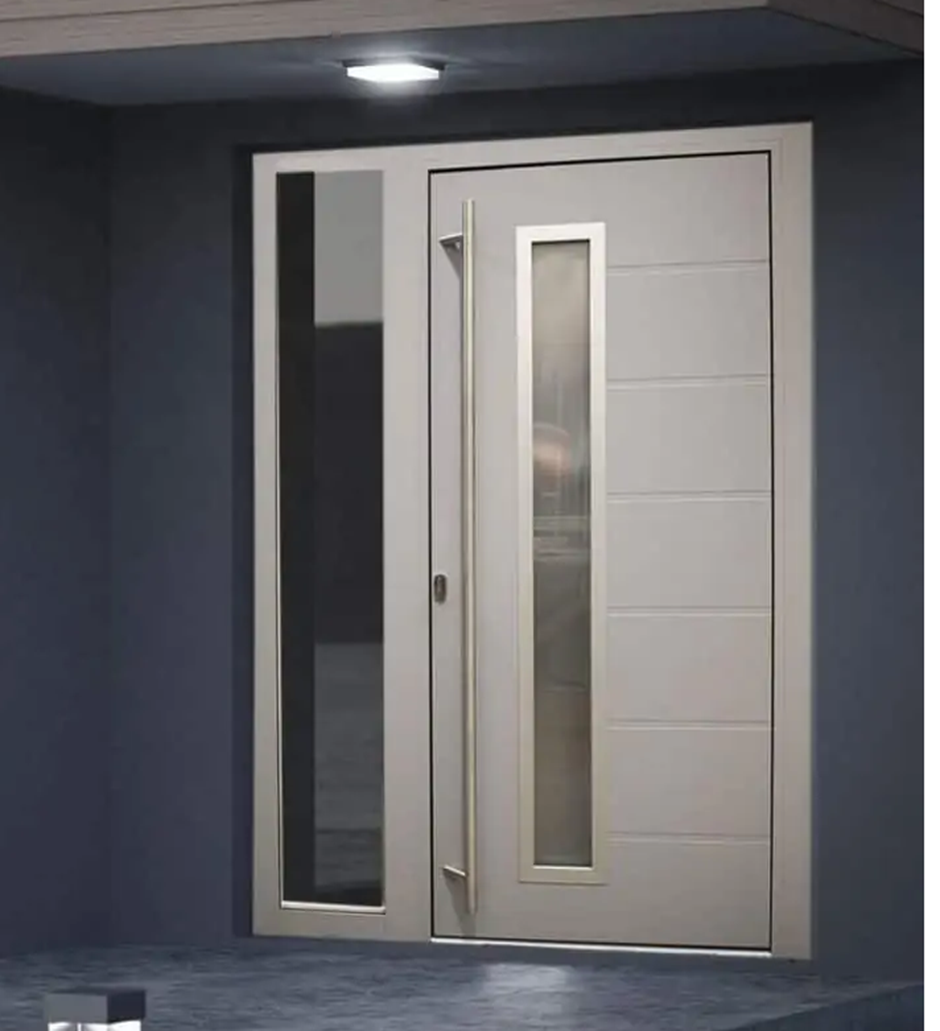
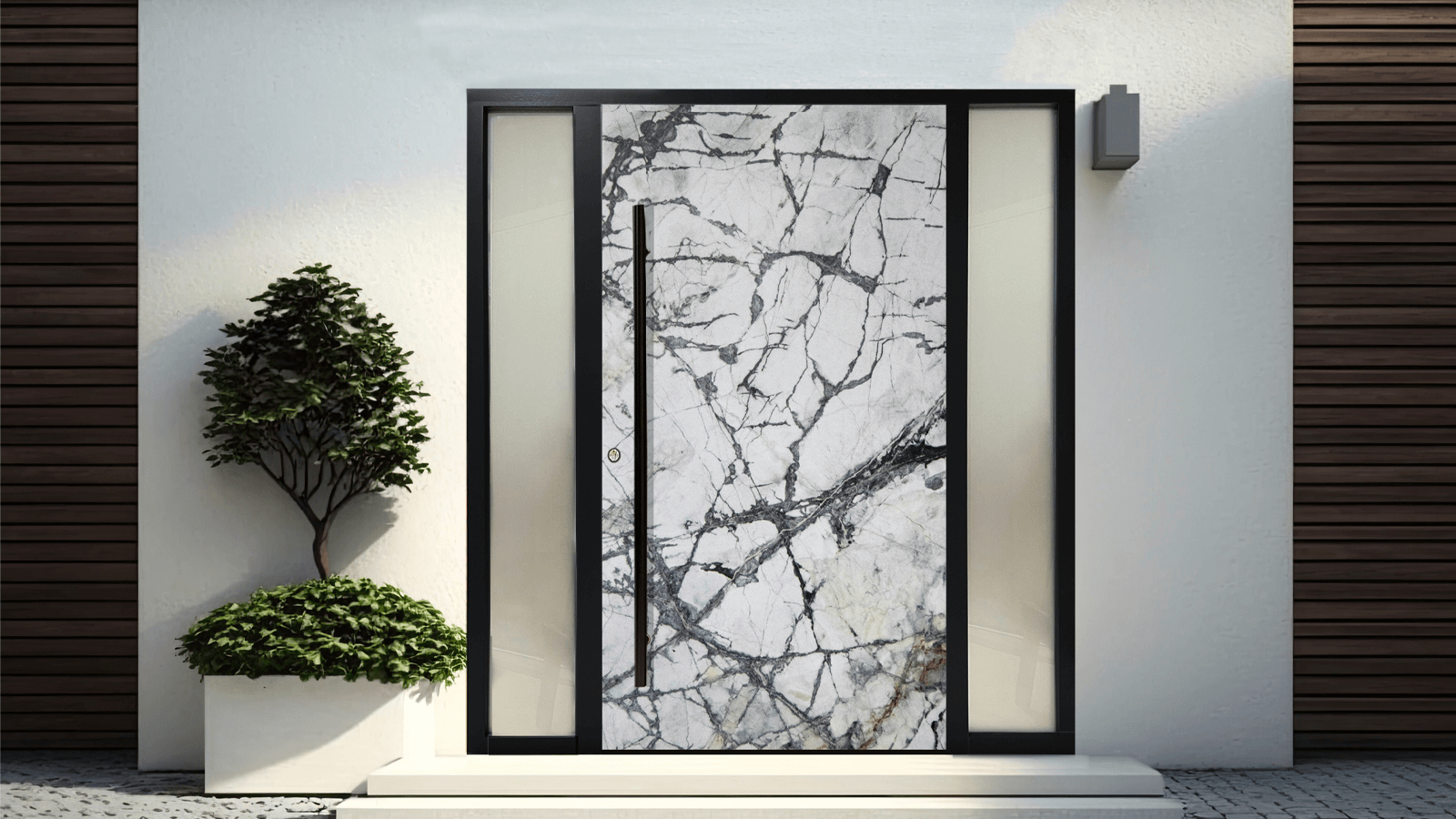
- Frosted Glass: Frosted glass has a textured or etched surface that diffuses light and provides privacy. It is commonly used for shower enclosures, office partitions, and decorative elements. Frosted glass can be customized with various patterns or designs to add visual interest to a space.
- Patterned Glass: Patterned glass features decorative designs or textures that create visual interest and privacy. It is commonly used for doors, partitions, and windows where a level of obscurity is desired without sacrificing natural light. Patterned glass comes in a wide range of designs, from simple geometric patterns to intricate motifs.
- Laminated Glass: Laminated glass is made by sandwiching an interlayer between two or more panes of glass. This interlayer provides additional strength and safety, as it holds the glass together even when broken. Laminated glass is commonly used for balustrades, canopies, and areas requiring enhanced security.
- Low-E Glass: Low-emissivity (Low-E) glass is coated with a thin, transparent layer that reflects heat while allowing light to pass through. It helps regulate indoor temperature and reduces energy consumption by minimizing the amount of heat transferred through the glass. Low-E glass is commonly used in energy-efficient buildings or areas with extreme climate conditions.
Each type of architectural glass offers unique benefits and can be chosen based on the specific requirements of your design project. Whether you’re looking for maximum transparency, privacy, or energy efficiency, there is a type of glass that suits your needs.
Innovative Uses of Architectural Glass in Modern Architecture
Architectural glass has long been a staple in modern architecture, pushing the boundaries of design and functionality. Its versatility and aesthetic appeal have led to innovative uses that have transformed the way we perceive and interact with spaces. Here are some notable examples of architectural glass being used in creative and unconventional ways:
- Glass Facades: Glass facades have become a hallmark of contemporary architecture. They provide a sleek and modern appearance while allowing ample natural light to flood the interior. Some buildings even incorporate dynamic glass facades that can adjust their transparency based on external conditions, optimizing energy efficiency and user comfort.
- Glass Bridges: Glass bridges are architectural marvels that combine functionality with a sense of awe. By using structural glass, designers can create transparent walkways that provide breathtaking views and a thrilling experience for visitors. Glass bridges are often found in natural landscapes, connecting two points while minimizing their impact on the environment.
- Glass Staircases: Glass staircases add an element of elegance and sophistication to any space. By using glass treads and balustrades, designers can create a floating effect that enhances the visual appeal and openness of the staircase. Glass staircases are popular in residential and commercial buildings, adding a touch of luxury to the overall design.
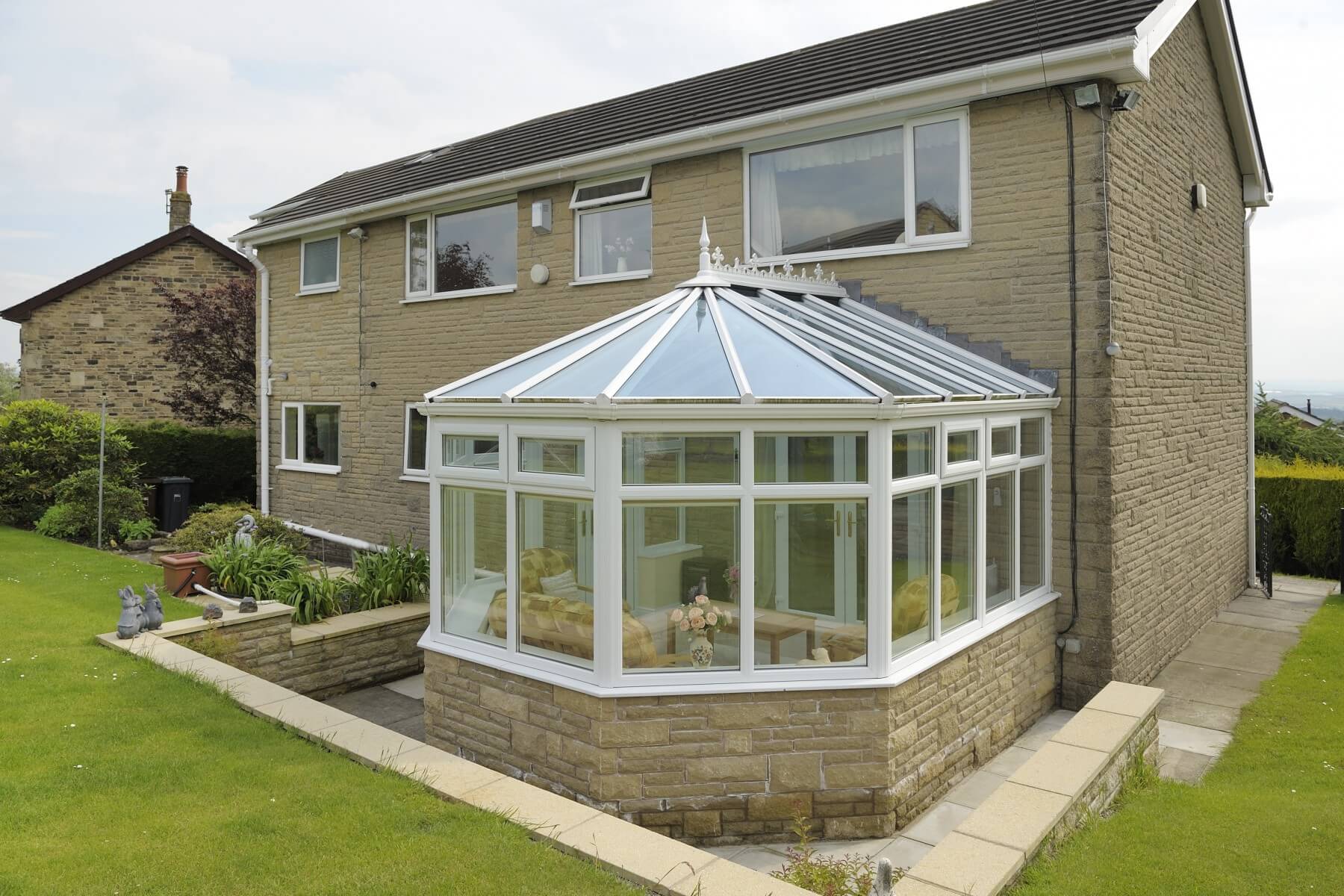
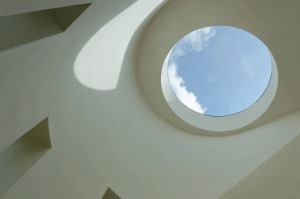
- Glass Roofs: Glass roofs bring the outdoors inside, allowing occupants to enjoy natural light and views of the sky. They are commonly used in atriums, conservatories, and extensions, creating a bright and airy atmosphere. With advancements in glass technology, roofs can now incorporate solar panels or self-tinting glass to enhance energy efficiency.
- Glass Partitions: Glass partitions are an excellent way to create separate spaces while maintaining a sense of openness. They are often used in offices, hotels, and other commercial settings to divide areas without sacrificing natural light or visual connection. Glass partitions can be clear or frosted, offering varying
In wrapping up our exploration of architectural glass as the premier material for breathtaking designs, it’s evident that its versatility, durability, and aesthetic appeal make it a standout choice for any project. Whether you’re looking to enhance a commercial building with sleek, transparent facades or bring a touch of modernity to a residential property, architectural glass offers unparalleled opportunities to meld function with beauty. However, realizing these stunning designs requires not just vision, but also the right partner in the journey.
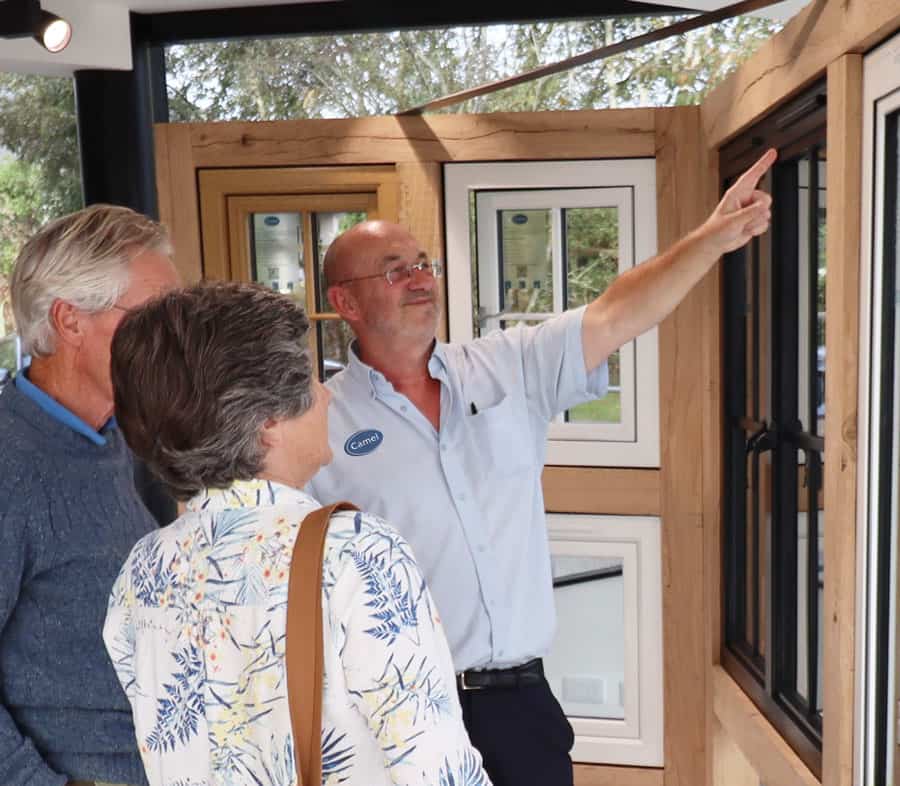
This is where Camel Glass excels, bridging the gap between ambitious architectural concepts and their tangible realization. With years of expertise in the field of architectural glass, Camel Glass is equipped to handle any project’s needs, regardless of scale or complexity. From consultation and design to fabrication and installation, their team works closely with architects, designers, and homeowners to bring architectural visions to life. By choosing Camel Glass, you’re not just selecting a service provider; you’re partnering with a team that shares your passion for beauty, innovation, and excellence in architectural design. Let Camel Glass be the clear choice to illuminate your next project with the elegance and sophistication of architectural glass.