




















Understanding U-Values: Their Importance in Building Efficiency

In the realm of building and construction, understanding the concept of U-values is critical for anyone interested in energy efficiency, environmental sustainability, and comfortable living spaces. This comprehensive guide will explore what U-Values are, their significance in building design, and why they are a key consideration in modern construction practices.
What are U-Values?
U-Value, short for ‘Thermal Transmittance Coefficient’, is a measure of the rate of heat transfer through a structure divided by the difference in temperature across that structure. It is expressed in watts per square meter per degree Celsius (W/m²°C). The lower the U-Value, the better a material is as a heat insulator. Essentially, U-Values are indicators of how well walls, floors, roofs, and windows retain heat, playing a pivotal role in determining a building’s thermal efficiency.
Importance of U-Values in Building Design
- Energy Efficiency: A core reason for the importance of U-Values in building design is energy efficiency. Buildings with low U-Values require less energy to heat or cool, leading to reduced energy consumption and lower utility bills. This is not only beneficial for the building occupants but also contributes to the broader efforts to reduce greenhouse gas emissions.
- Comfort: Thermal comfort is a significant aspect of building design. High U-Values can lead to heat loss in winter and excessive heat gain in summer, making indoor spaces uncomfortable. Proper insulation, reflected in lower U-Values, ensures a stable and comfortable indoor environment.
- Building Regulations and Standards: Many countries have specific building regulations that mandate certain U-Value thresholds to ensure energy efficiency. Meeting these standards is not only a legal requirement but also aids in obtaining certifications like LEED or BREEAM, which can increase a building’s value and appeal.
- Environmental Impact: Buildings with lower U-Values contribute to less energy demand from fossil fuels, thereby reducing carbon footprints. This is crucial in the context of global efforts to combat climate change and promote sustainable development.
- Cost-Effectiveness: Initially, investing in materials with low U-Values might seem costly. However, the long-term savings in energy bills and the potential increase in property value make it a cost-effective choice.
Understanding U-Value Measurements
To effectively utilize U-Values in building design, understanding how they are measured is essential. U-Values are calculated by considering the thermal resistances of individual components of a building element and the resistance of internal and external air layers. This calculation often requires professional expertise and precise measurements. Factors like the type of material, its thickness, and its thermal conductivity play a crucial role in determining the U-Value of a building component.
Applications of U-Values in Different Building Components
- Walls: Wall insulation is crucial in preventing heat loss. U-Values for walls are affected by the type of insulation material used and its thickness.
- Roofs: Heat rises, making roofs critical areas for insulation. Lowering the U-Value of roof components is vital for an energy-efficient building.
- Floors: Especially in colder climates, floor insulation is essential. Lower U-Values in flooring can significantly enhance comfort and energy efficiency.
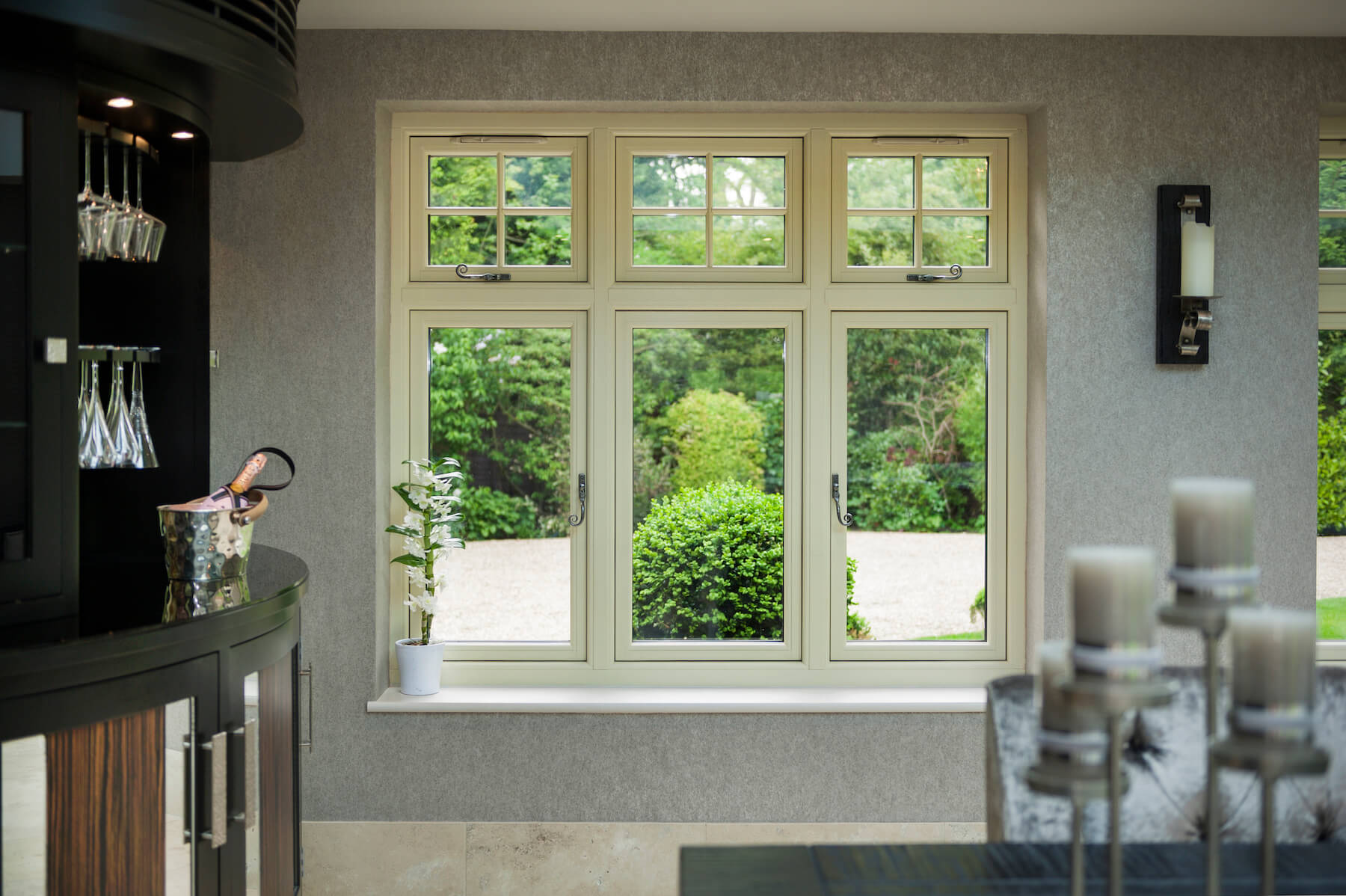
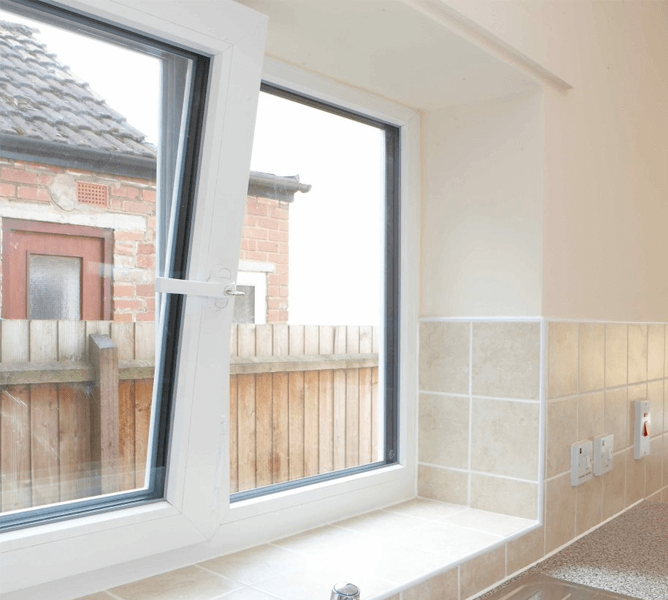
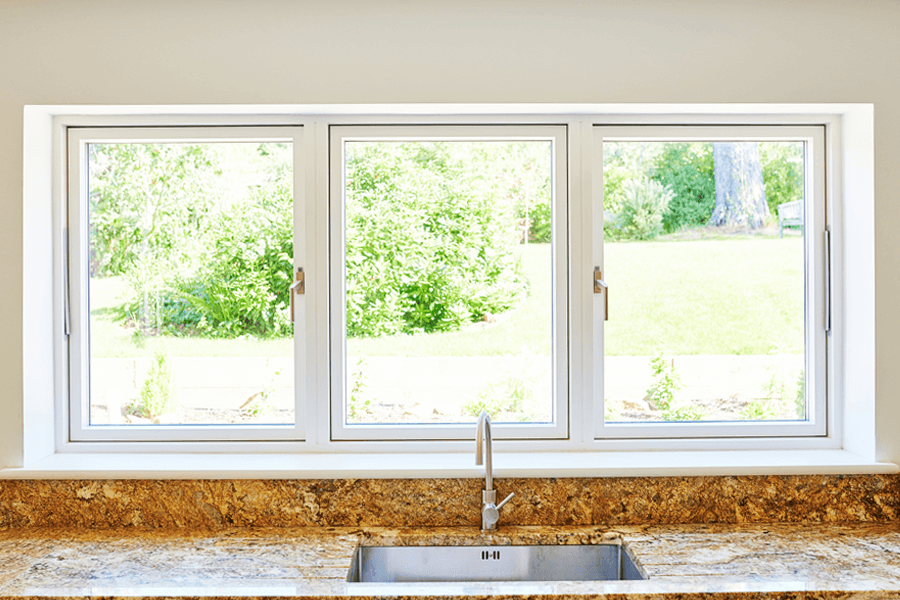
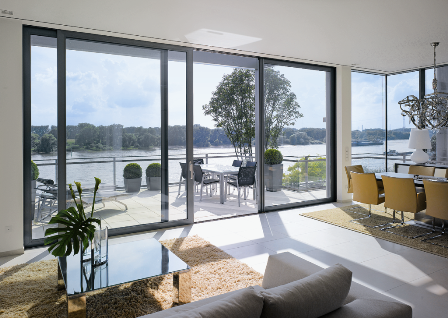
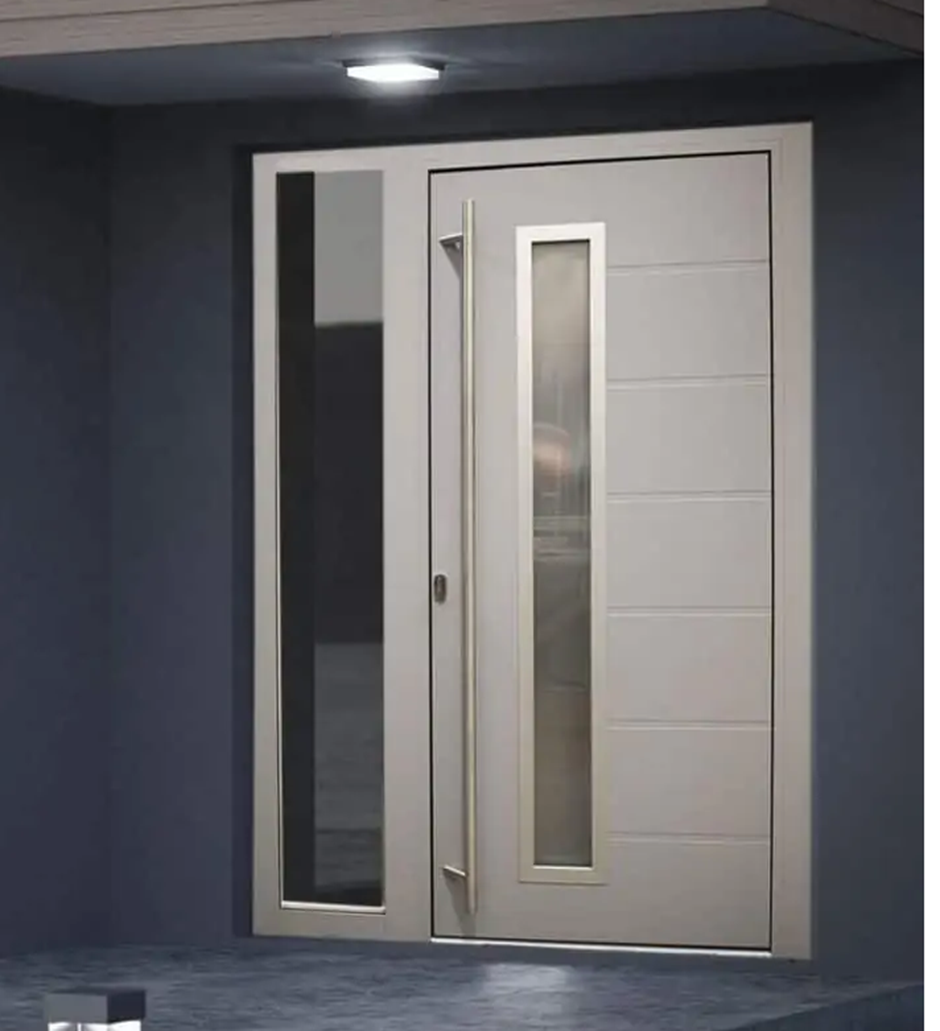
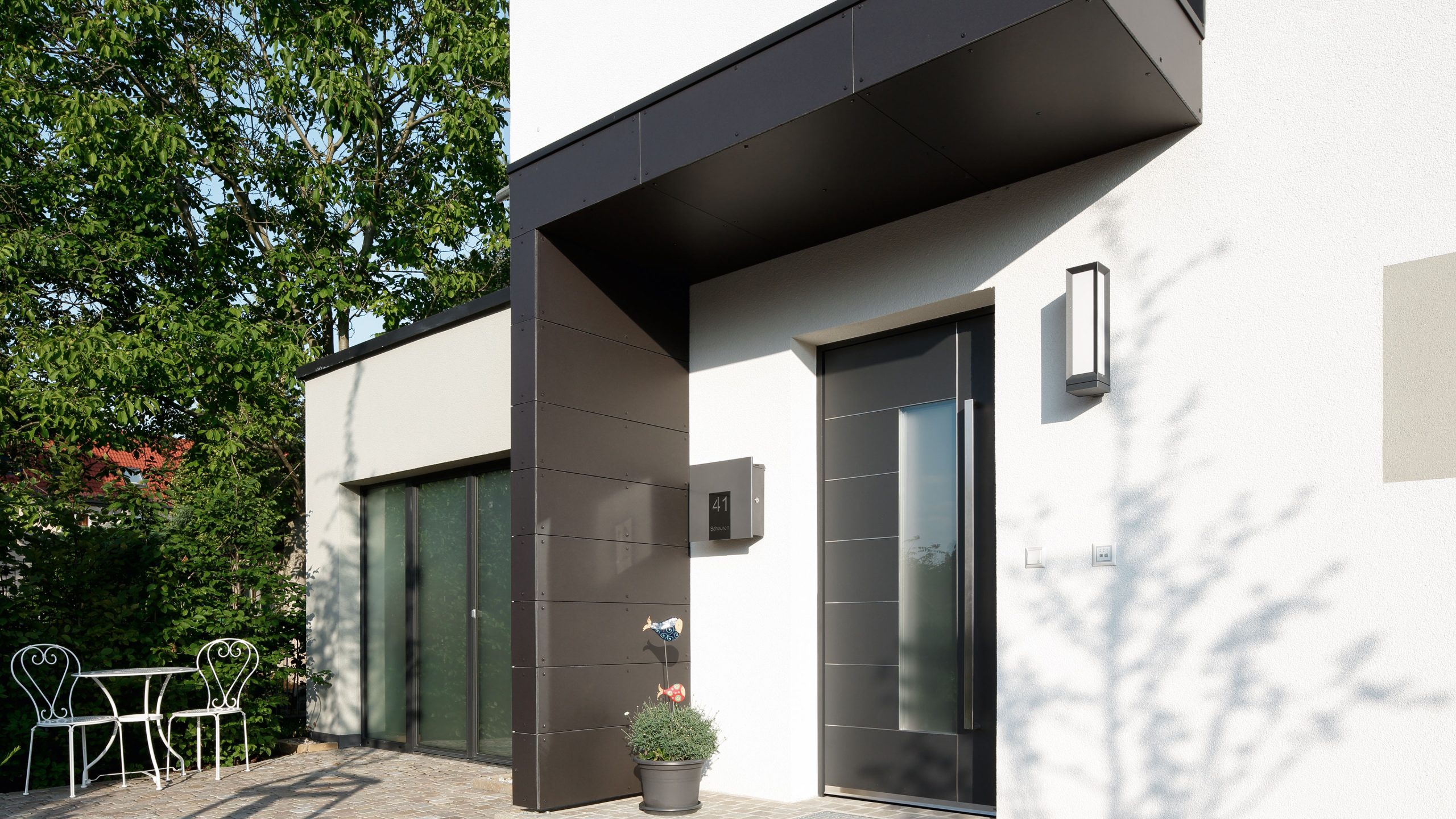
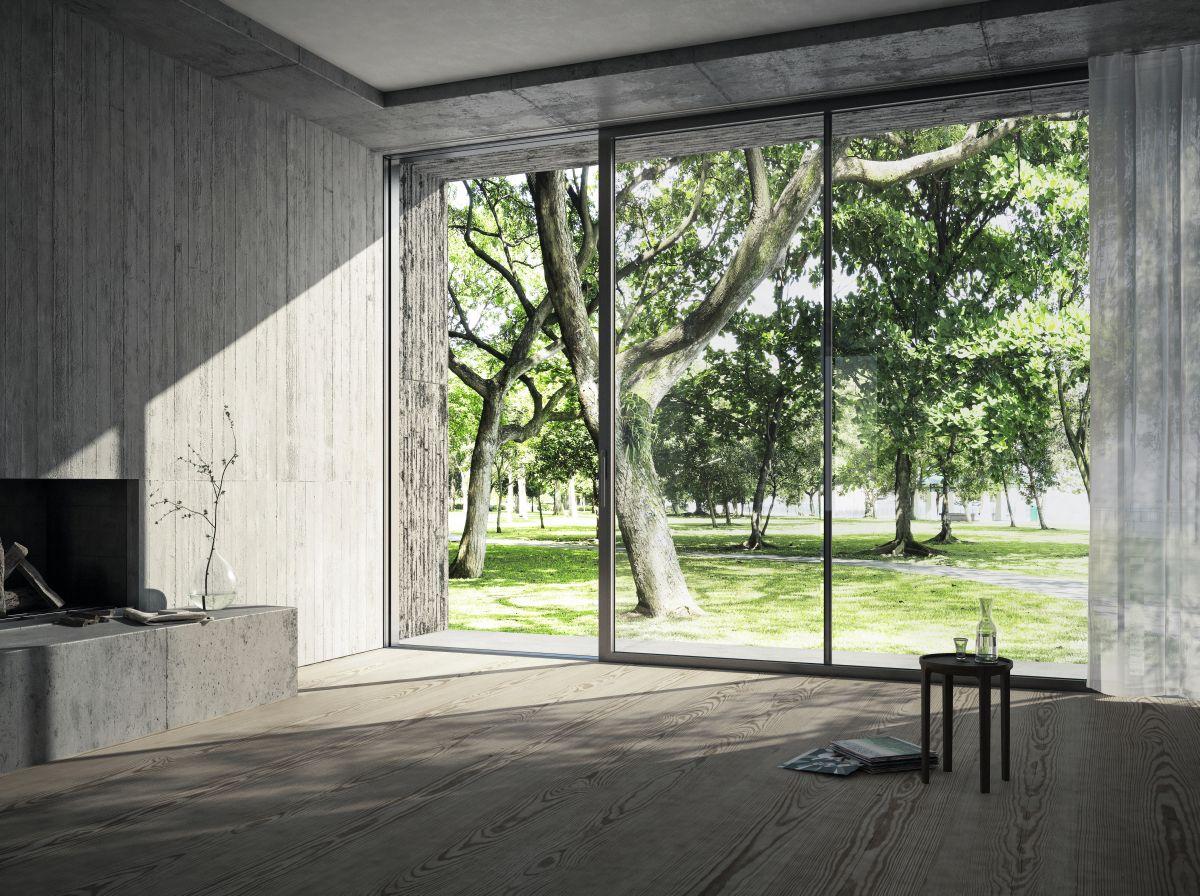
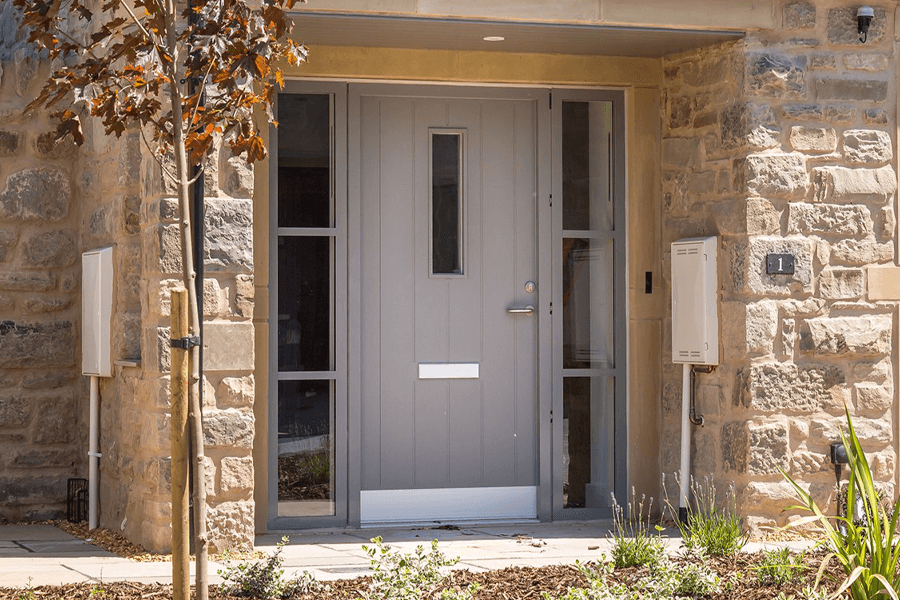
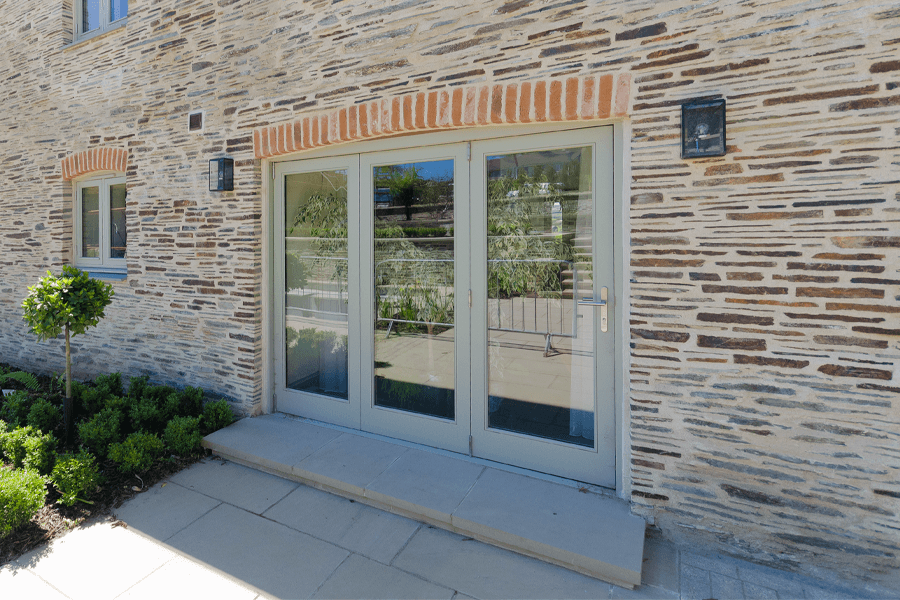
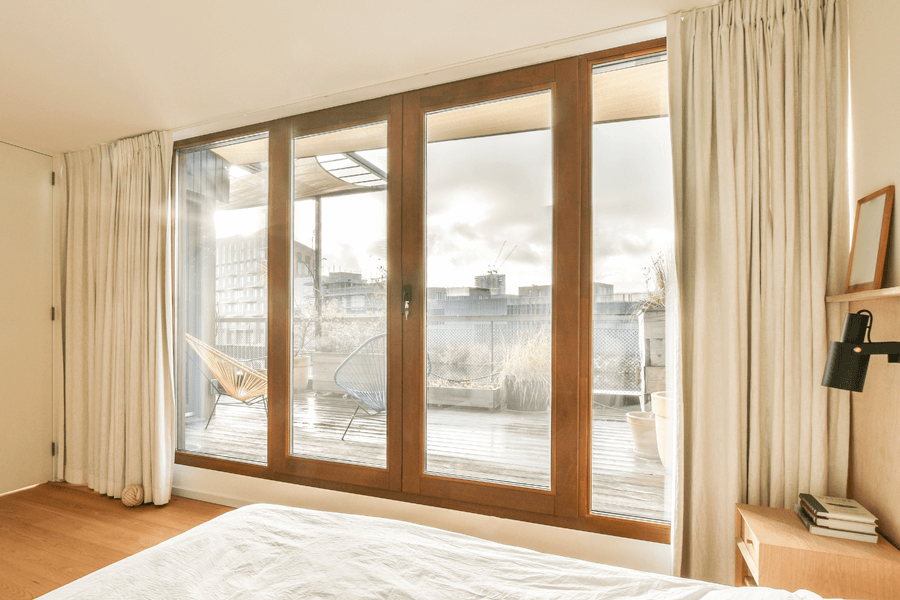
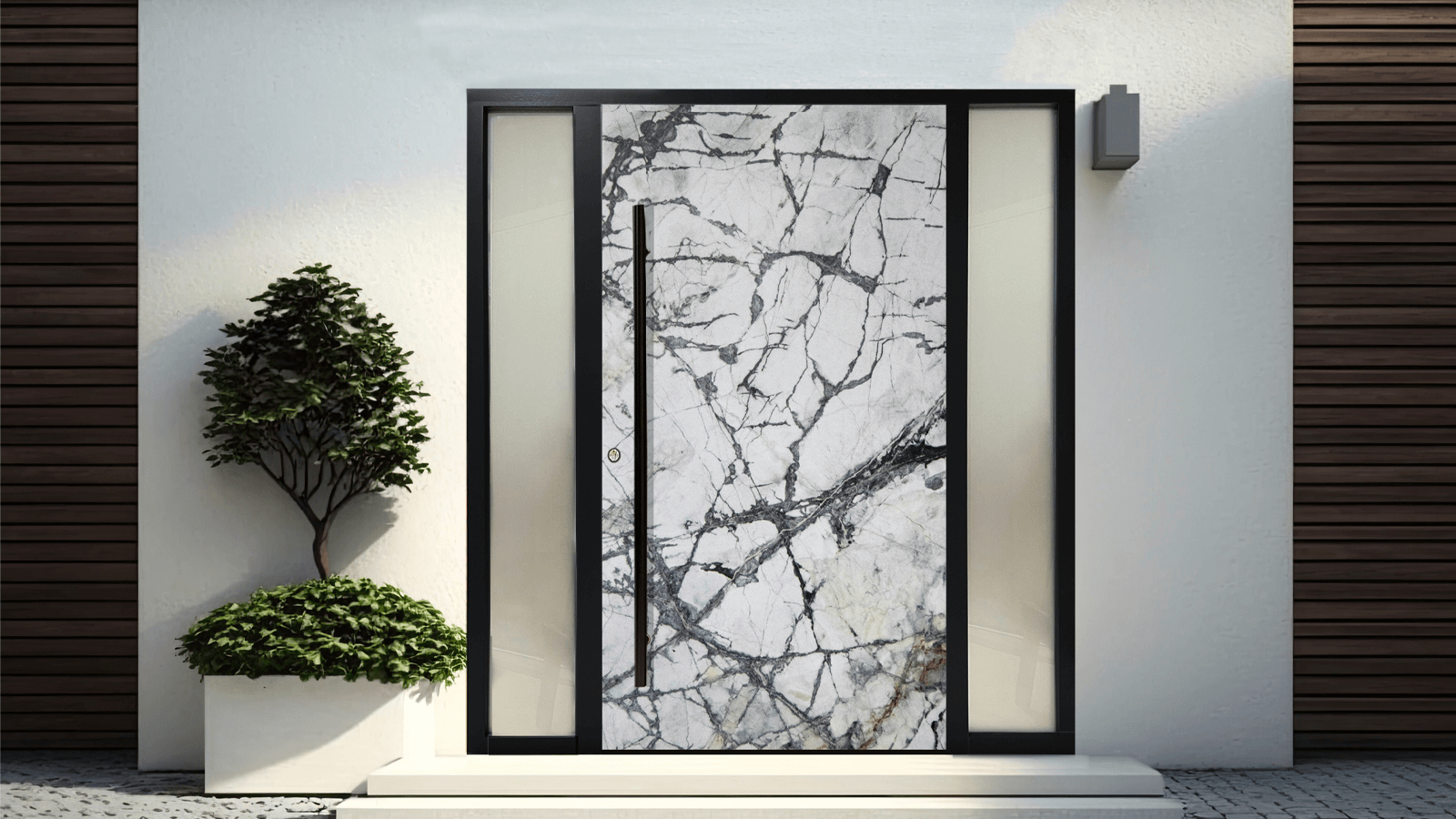
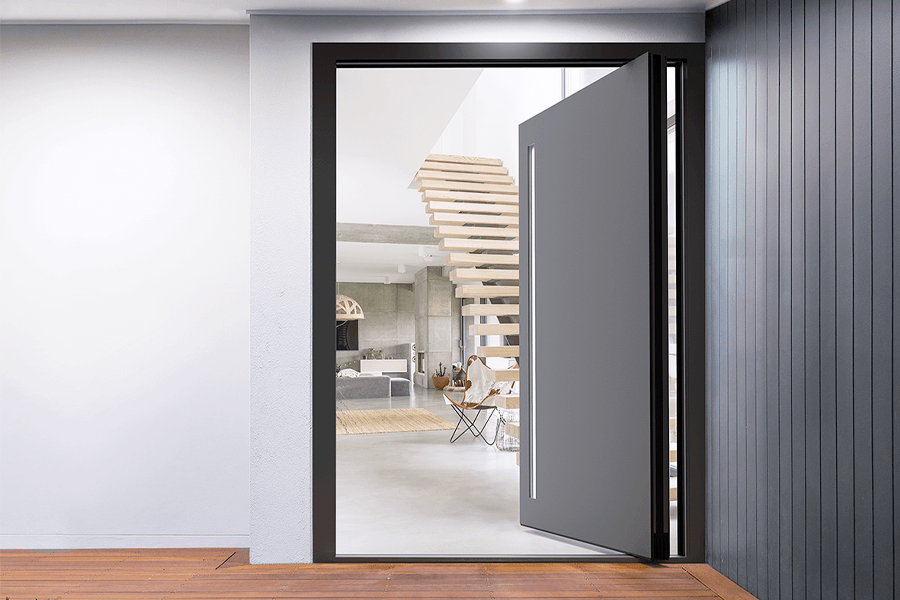
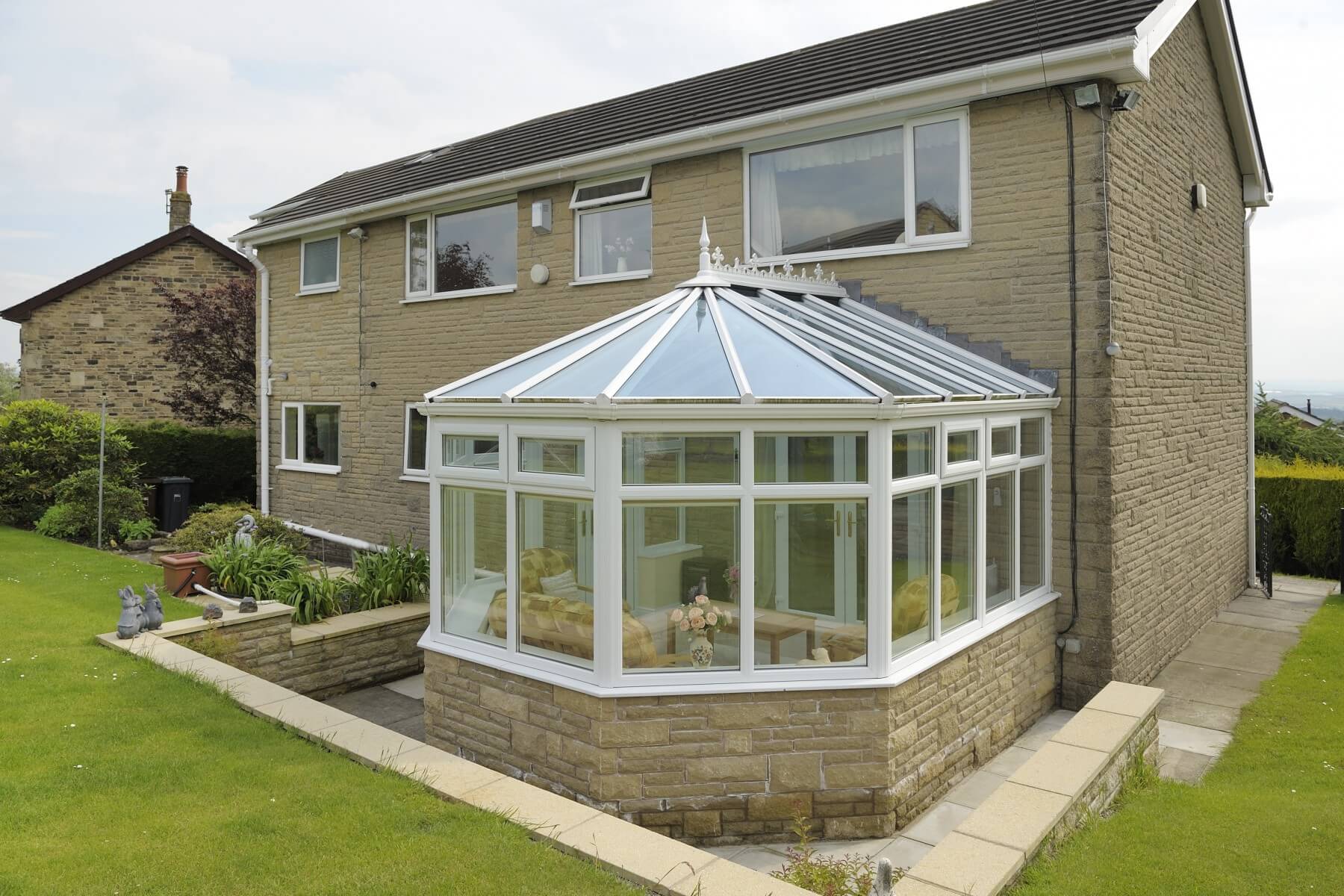
- Windows and Doors: These are often the weakest link in a building’s insulation. Double or triple-glazing, along with efficient frames, can substantially reduce the U-Value of windows and doors.
Innovations and Future Trends
The construction industry is continuously innovating to achieve lower U-Values. Materials like vacuum insulation panels, advanced glazing technologies, and innovative construction techniques are at the forefront of these developments. The future may see even more advanced materials and smarter design approaches to minimize heat transfer, driving the U-Values even lower.
In summary, U-Values are a fundamental aspect of modern building design, crucial for energy efficiency, comfort, compliance with regulations, environmental sustainability, and cost-effectiveness. As the world increasingly focuses on sustainable development and energy conservation, the importance of U-Values in the construction and design of buildings cannot be overstated. Whether you are a homeowner, a builder, or an architect, understanding and applying the principles of U-Values is essential for creating efficient, comfortable, and sustainable living spaces.
By incorporating low U-Value materials and design principles, we can not only save on energy costs but also contribute significantly to environmental conservation efforts. The advancements in building materials and technologies continue to push the boundaries, making it an exciting time for the construction industry. As we move forward, the emphasis on U-Values is likely to grow, playing a pivotal role in shaping the future of sustainable building design.
At Camel Glass, we take great pride in our team’s commitment, knowledge, and eagerness to assist. Our professionals are not only experts in their field but are also constantly updating themselves with the latest industry trends and legislative developments. This ensures that we offer our customers guidance that is both informed and beneficial, helping them make decisions that are both savvy and economical. To discover more about how we can cater to your specific home needs or to view our extensive product range, please contact us. We are here to help you every step of the way.