





















Preparing Your Home for Winter: Windows, Glazing and Simple Ways to Keep the Warmth In
As temperatures begin to fall, now is a good time to check whether your home is ready for the colder months ahead. Draughts, ageing windows and poorly sealed doors can make rooms feel uncomfortable and force your heating system to work harder.
From upgrading your glazing to making a few simple seasonal changes, there are several ways to help keep your home warmer this winter.
Check your windows and doors for draughts
Cold air entering around windows and doors is often one of the first things homeowners notice during winter. Check around frames, opening sections, letterboxes and door thresholds for noticeable draughts.
Possible signs of a problem include:
- Cold air around the edge of a frame
- Gaps or damaged seals
- Windows or doors that no longer close properly
- Loose handles or locking mechanisms
- Cracked or deteriorating sealant
- Visible damage to the frame
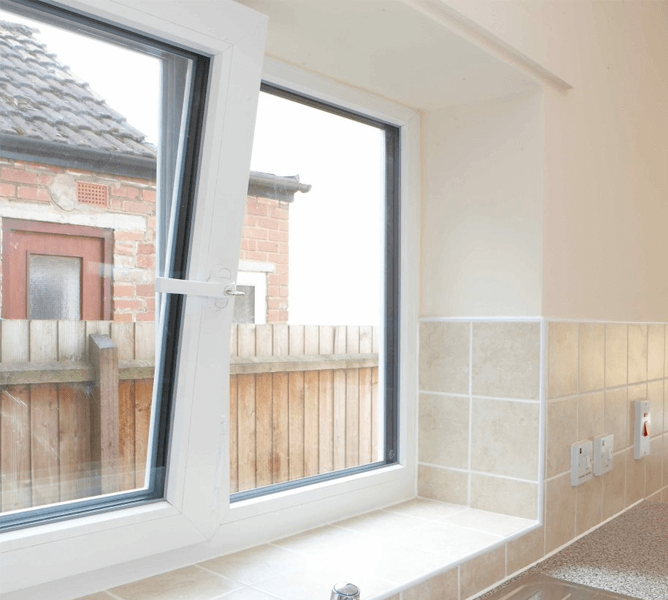
Some minor draughts may be resolved by replacing worn seals or adjusting the window or door. However, persistent draughts can indicate that the product is no longer performing as it should.
Consider upgrading older glazing
Older single-glazed windows offer very little protection against cold outdoor temperatures. Replacing them with modern double or triple glazing can significantly improve the comfort and thermal performance of a home.
Double glazing uses two panes of glass separated by a sealed cavity. This helps reduce the transfer of heat through the window compared with single glazing.
Triple glazing adds a third pane and an additional insulated cavity. It can provide enhanced thermal performance and may be particularly useful for exposed properties, larger areas of glazing or homes designed to achieve high levels of energy efficiency.
Triple glazing is not automatically the best option for every property. The right choice depends on the building, its location, the window system and the overall specification. A professional survey can help determine which option will deliver the most practical benefit.
Don’t overlook the window frames
The glass is only one part of a window’s performance. The design, condition and installation of the frame are also important.
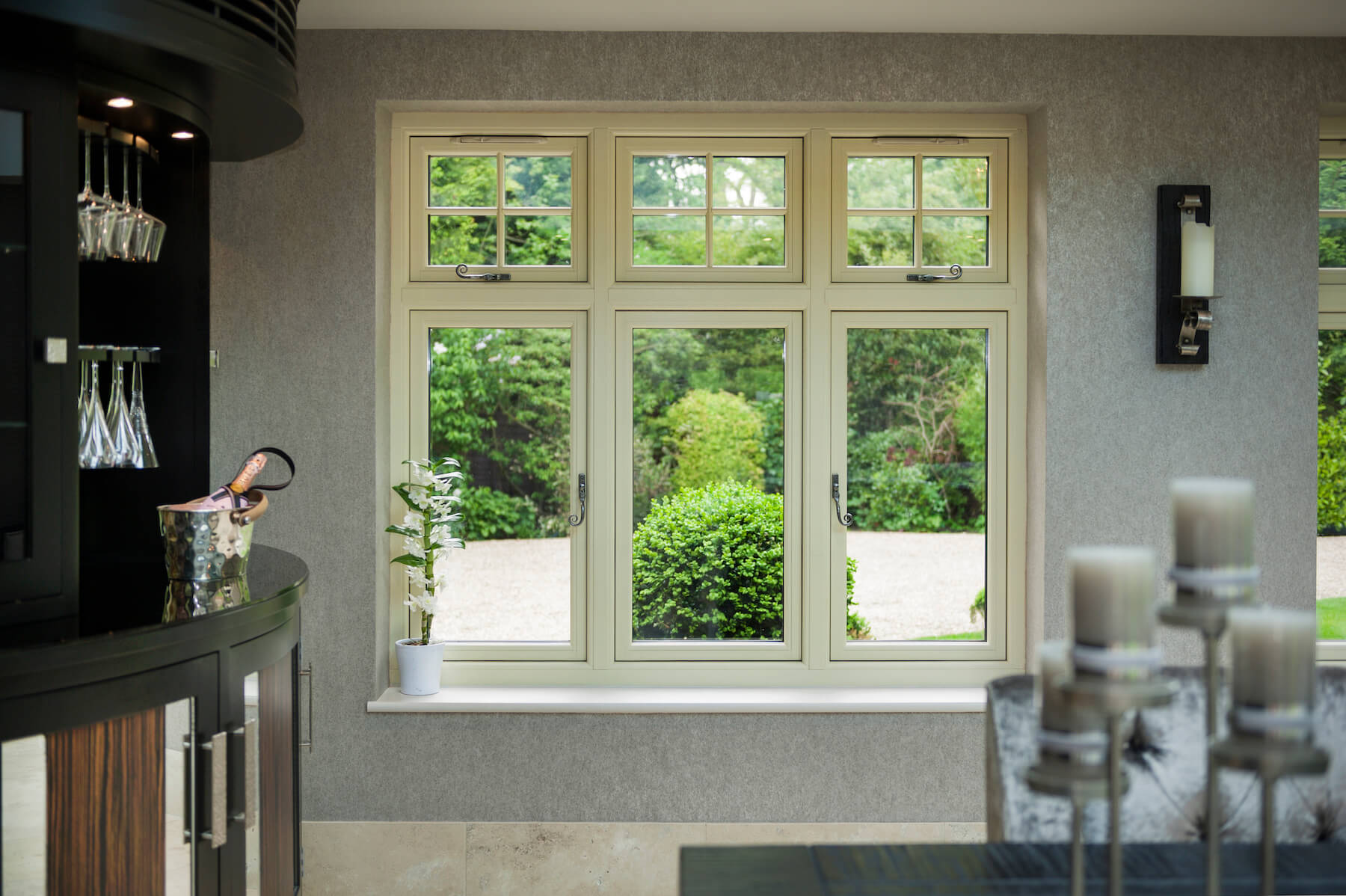
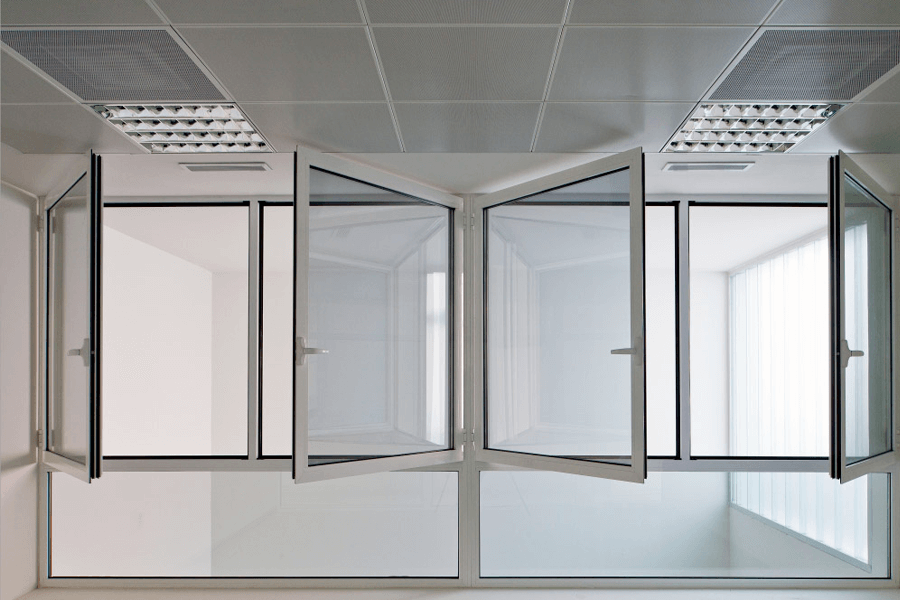
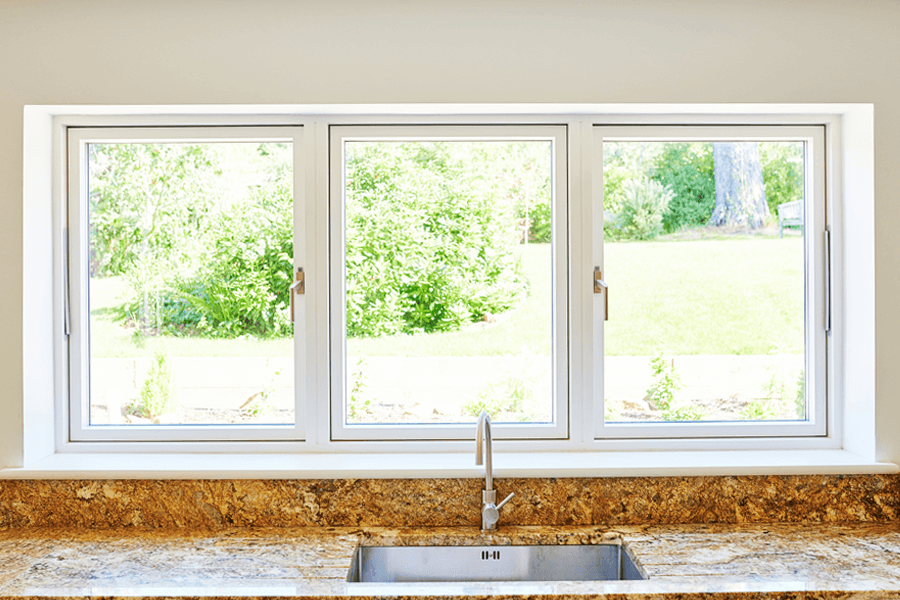
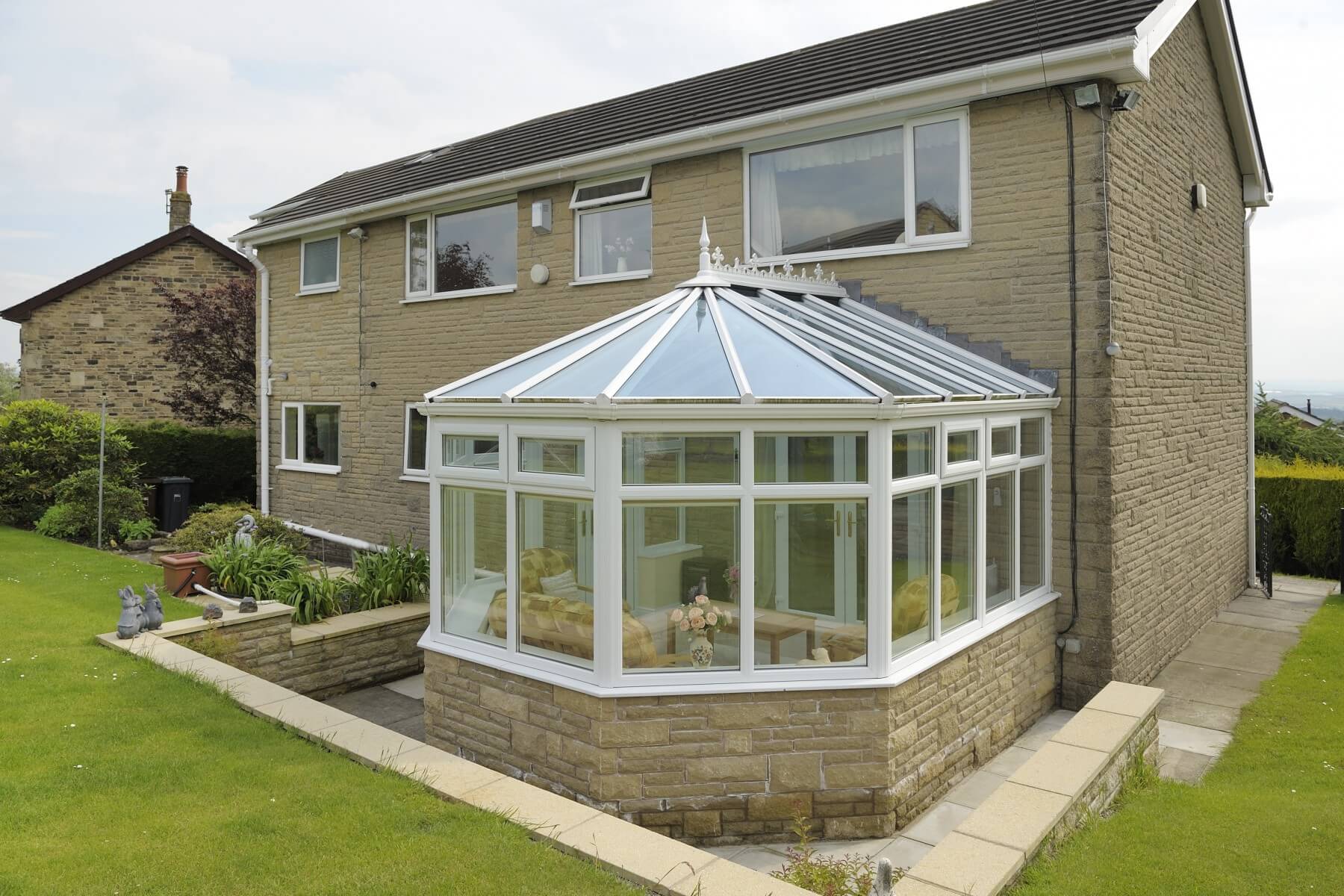
Modern uPVC, aluminium and timber window systems can all offer excellent thermal performance when correctly specified and installed. Look at the complete window—including the glazing, frame, seals, opening sections and installation—rather than considering the number of glass panes alone.
Poorly fitted windows can still allow draughts and heat loss, even when they contain high-performance glass.
Use thermal curtains effectively
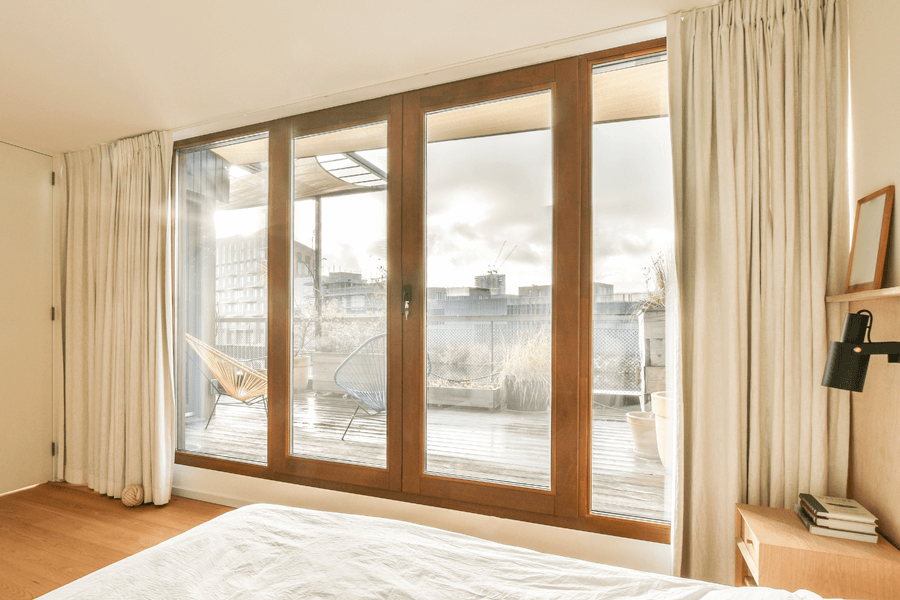
Thermal or lined curtains can provide an additional layer between a warm room and a cold window.
For the best results:
- Close curtains when it becomes dark and temperatures begin to fall
- Make sure they cover the full width of the window
- Avoid allowing curtains to block radiators
- Open them during sunny periods to benefit from natural warmth
- Consider blinds or curtains for glazed doors as well as windows
Curtains will not correct failed glazing or poorly fitted frames, but they can complement energy-efficient windows and make a room feel more comfortable.

Fit draught excluders where appropriate
Draught excluders can provide a quick and inexpensive improvement around certain areas of the home.
They may be useful around:
- External doors
- Letterboxes
- Keyholes
- Loft hatches
- Gaps beneath internal doors
Self-adhesive seals can sometimes help around older windows, but they must be fitted carefully. Applying a seal in the wrong place could prevent a window from closing or interfere with its drainage and ventilation.
For significant or persistent draughts, it is better to identify the underlying cause rather than continuing to cover the gap.
Check your external doors
Front, back and side doors should close securely without requiring excessive force. Check the seals, hinges, locks and threshold, and look for daylight around the edge of the door when it is closed.
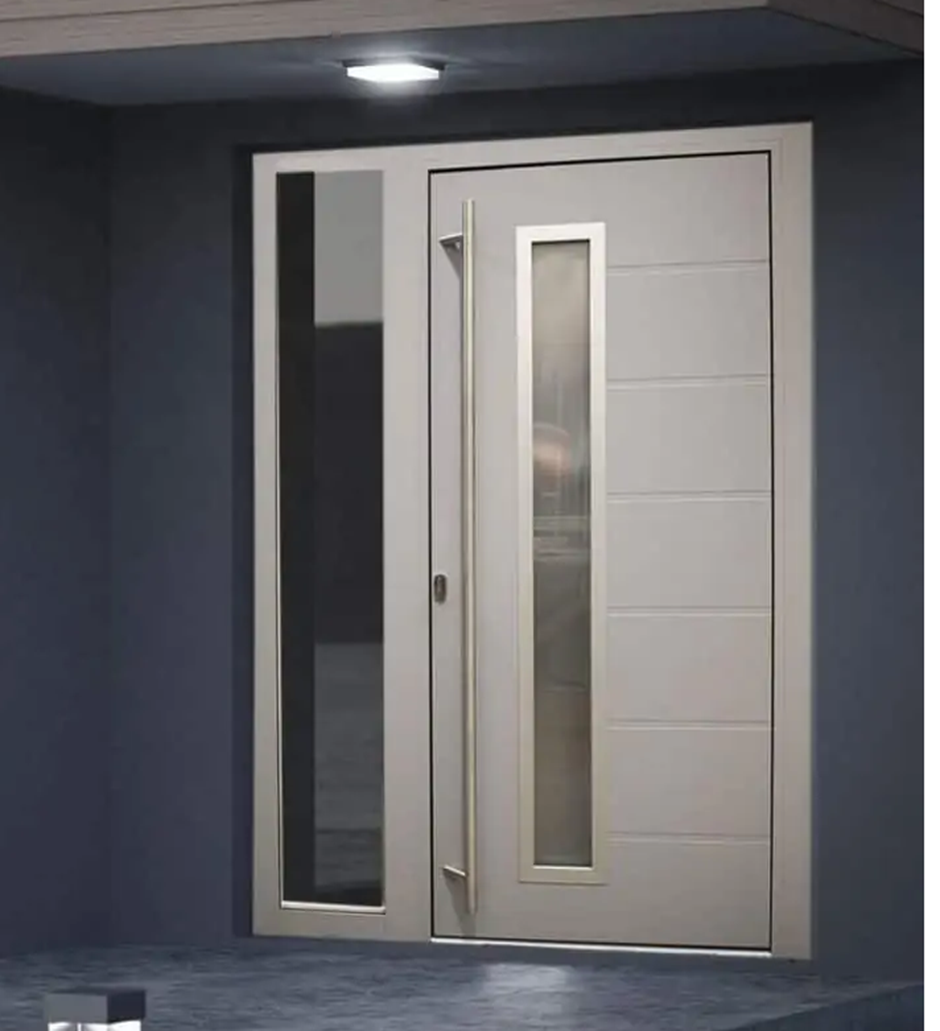
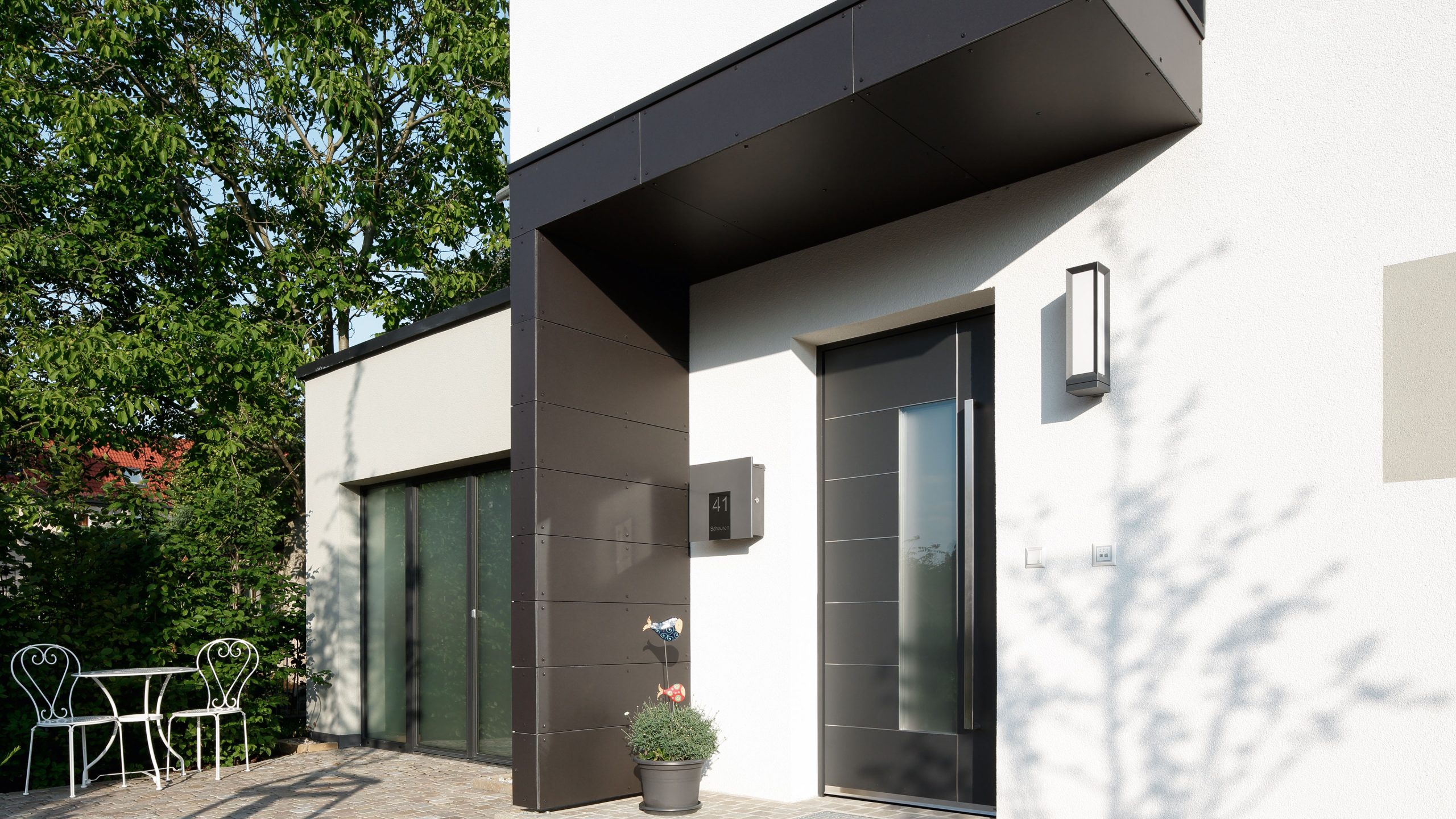
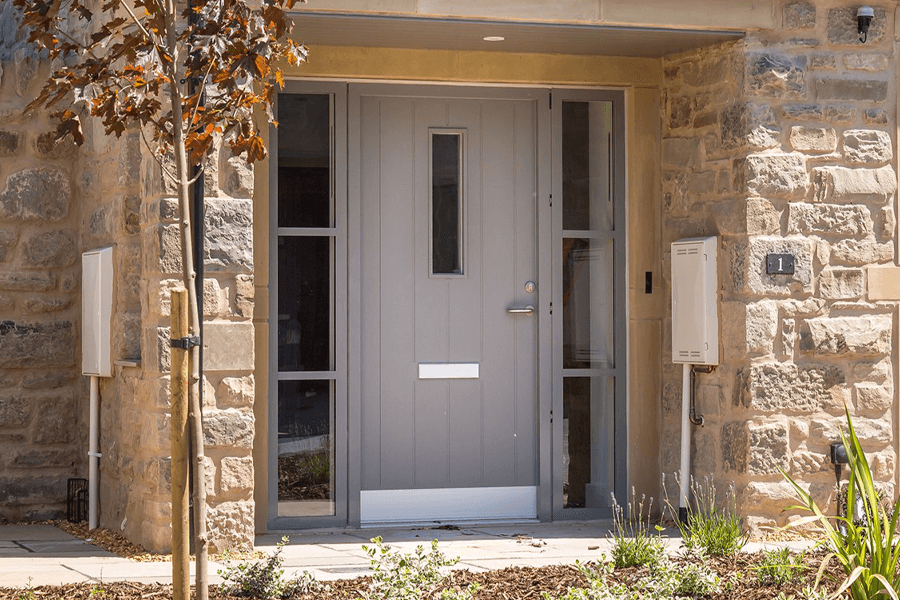
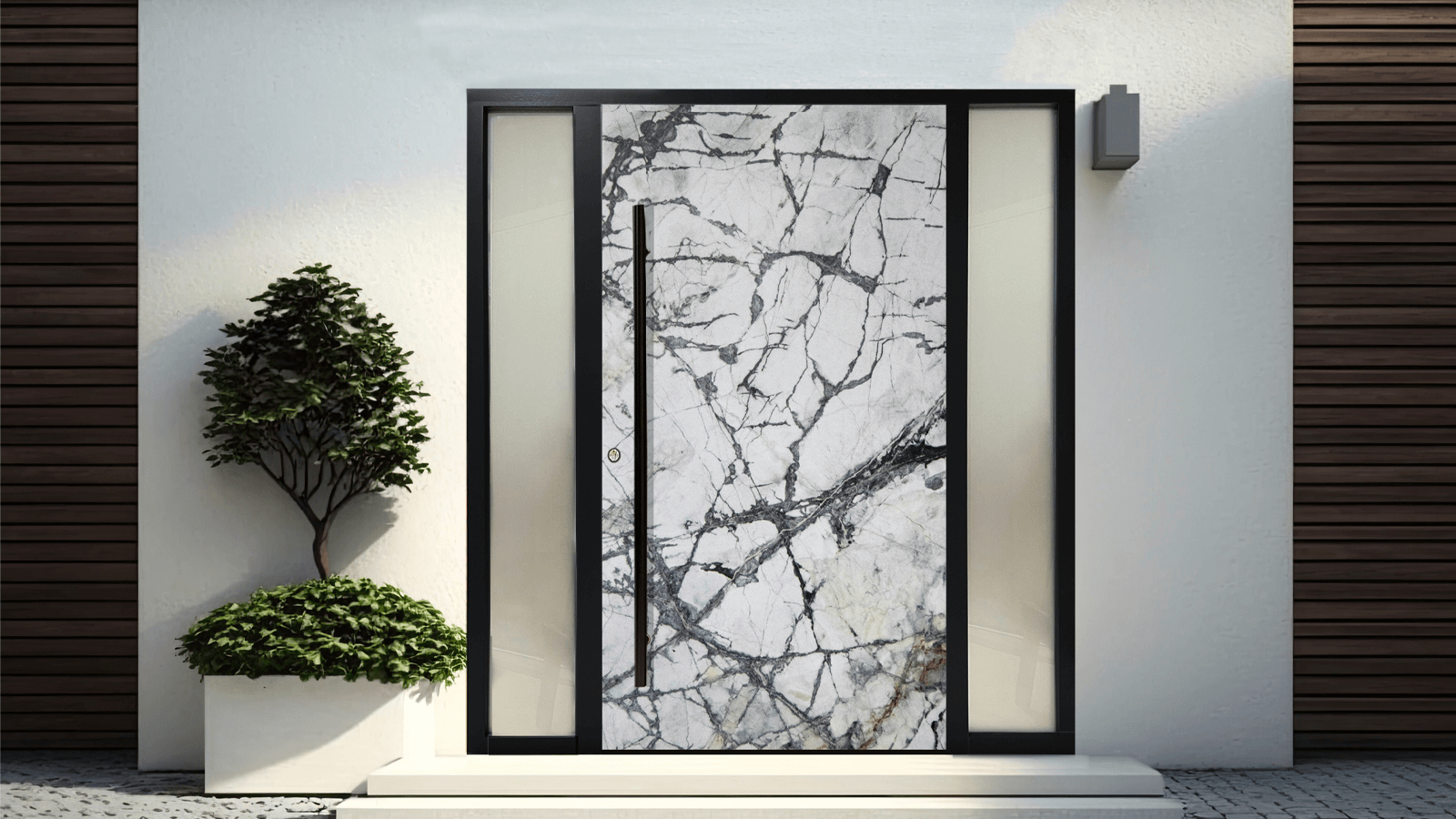
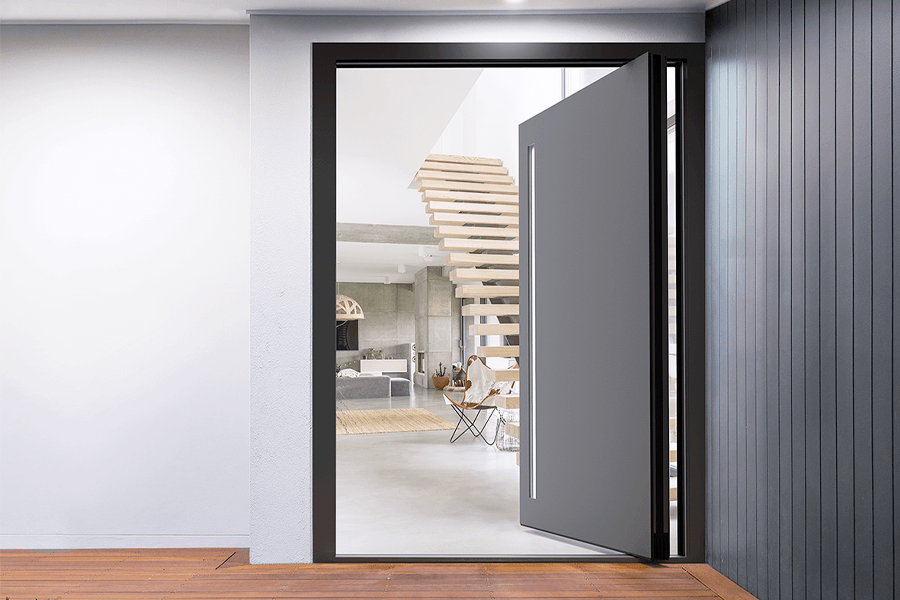
A modern replacement door can improve security, weather resistance and thermal performance. It can also transform the appearance of a property.
The most suitable material and design will depend on the style of your home, the level of exposure and how the entrance is used.
Manage condensation carefully
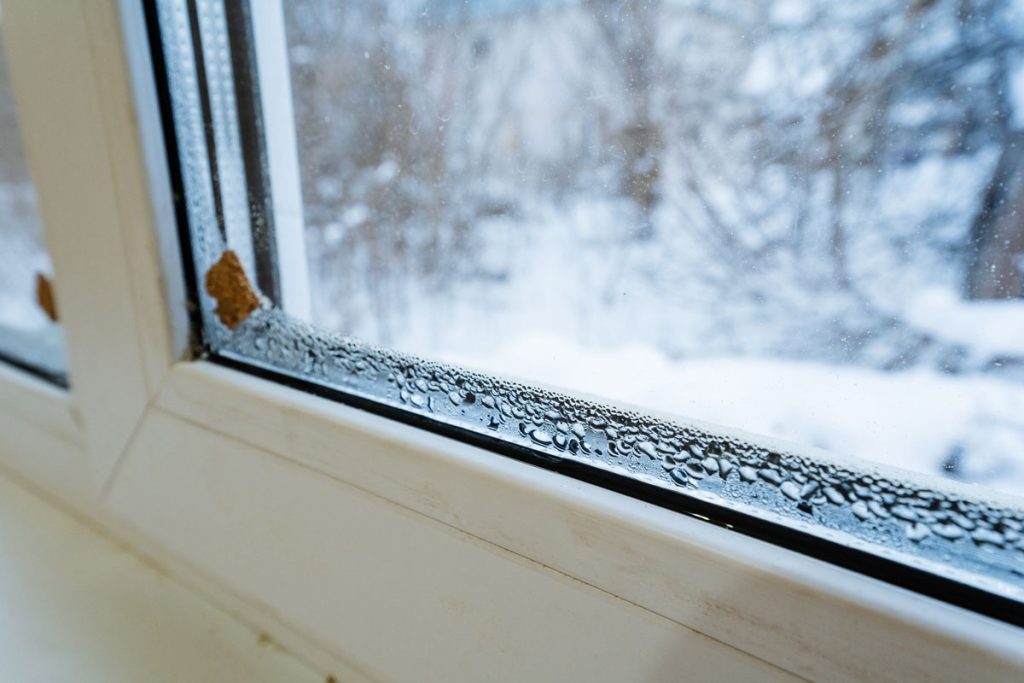
Condensation can become more noticeable during winter because warm, moisture-filled indoor air meets colder surfaces.
Everyday activities such as cooking, showering and drying clothes indoors can increase moisture levels. Regular ventilation can help manage this, particularly in kitchens, bathrooms and bedrooms.
Useful steps include:
- Using extractor fans when cooking or showering
- Opening trickle vents where provided
- Keeping rooms consistently heated where possible
- Avoiding drying wet clothes directly against radiators
- Wiping away excessive condensation before it damages surrounding finishes
Condensation on the room-facing surface of the glass does not necessarily mean the window has failed. However, moisture trapped between the panes of a sealed glass unit usually indicates that the unit’s seal has broken and may need replacing.
Make use of natural daylight and warmth
During sunny winter days, open curtains and blinds to allow daylight and solar warmth into your home. Close them again as temperatures fall to help retain that warmth.
This simple routine can make south-facing rooms feel more comfortable without requiring any changes to the building.
Arrange repairs before the worst weather arrives
Small problems are easier to address before winter weather sets in. If a window is difficult to operate, a door does not close properly or a sealed glass unit has misted, arranging an inspection early can help prevent the problem from getting worse.
Not every issue requires a complete replacement. Depending on the condition of the product, it may be possible to replace the glass, seals or hardware.
Is it time to replace your windows or doors?
If your home regularly feels cold despite using the heating, or you are experiencing persistent draughts, misted glazing or problems opening and closing your windows, it may be time to consider an upgrade.
Camel Glass supplies and installs a wide selection of uPVC, aluminium and timber windows and doors across Cornwall and North Devon. Our team can help you choose products suited to your property, its location and your individual requirements.
To discuss replacement windows, doors or glazing repairs, contact your local Camel Glass branch or request a quotation through our website.