




















When Glass Becomes the Architecture: The Possibilities of Architectural Glazing
Glass has always been more than just a way to let light into a building. From the Louvre to The Shard, architectural glazing has become embedded into our cities and culture. But why should we stop there?
At Camel Glass, we believe architectural glazing shouldn’t be reserved for our skylines, but should have a place in our homes too. Glass isn’t just for windows and doors; it can become one of the most interesting aspects of a building, shaping how a space feels, how it connects to its surroundings and how we experience it.
Architectural Glazing: More Than a Window
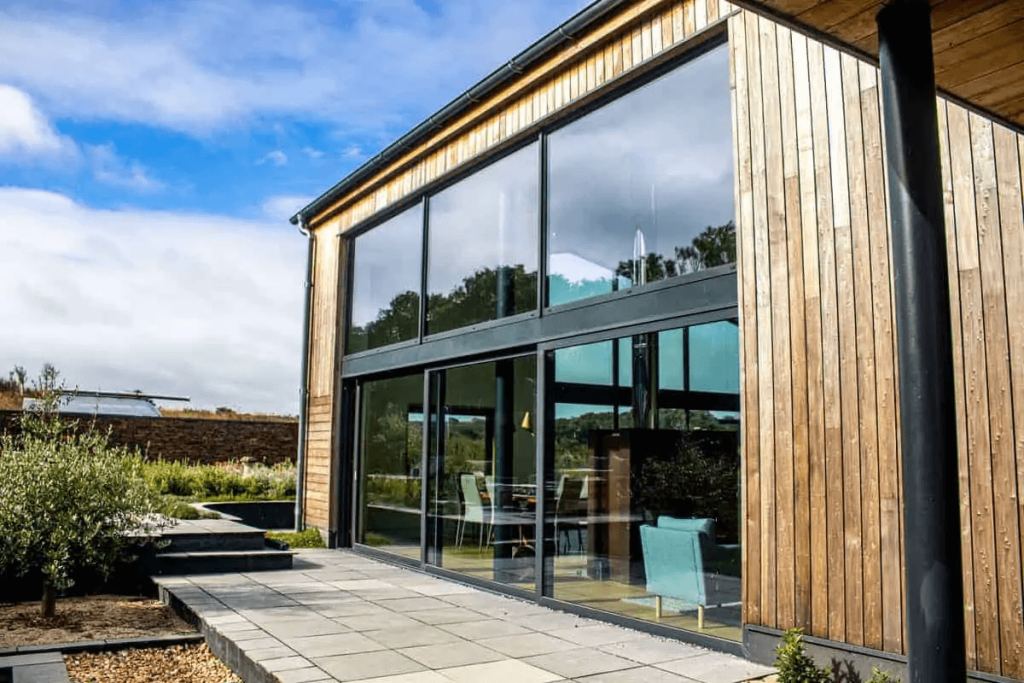
When we think about windows, we often think of them as functional elements: something that provides natural light, ventilation and a view outside.
But increasingly, glazing is becoming an integral part of the architectural design itself.
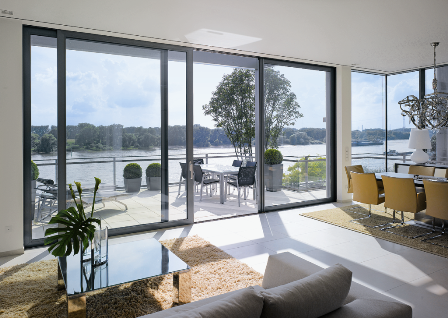
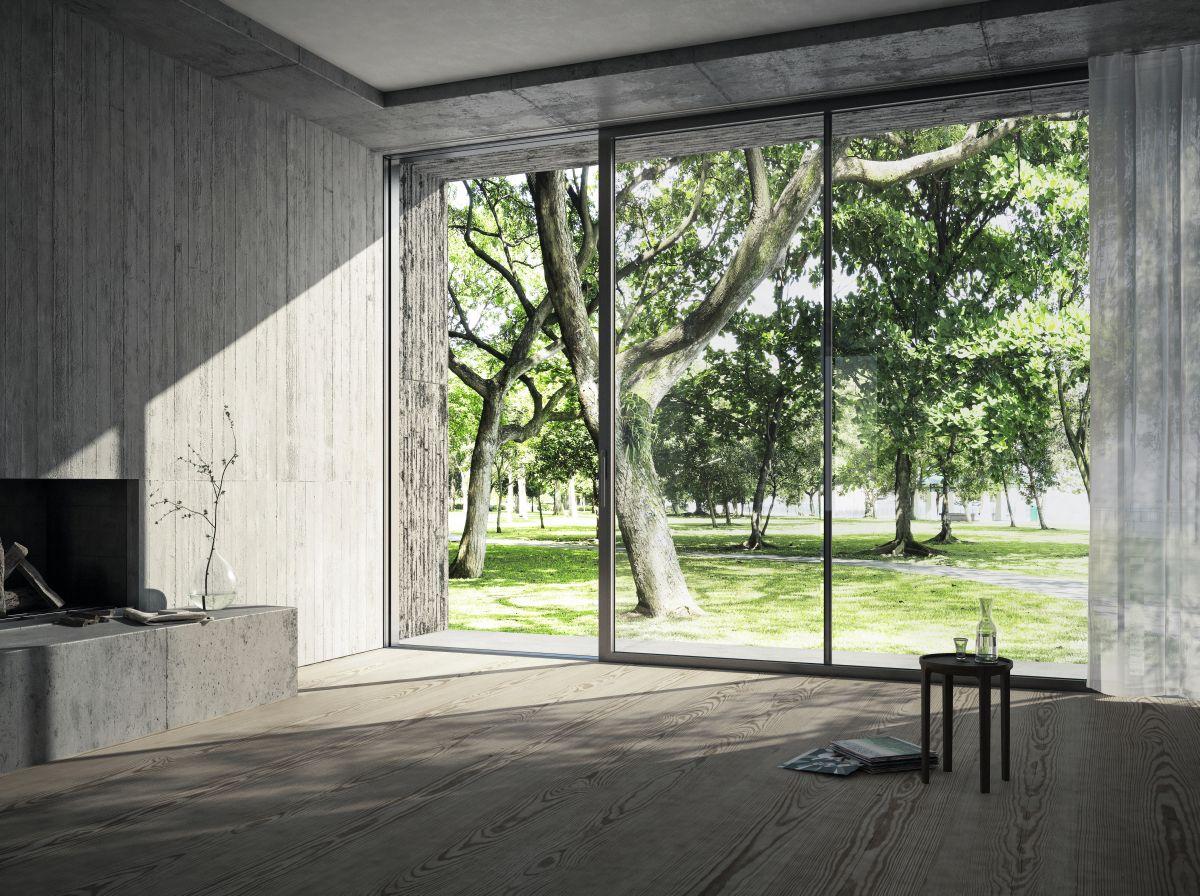
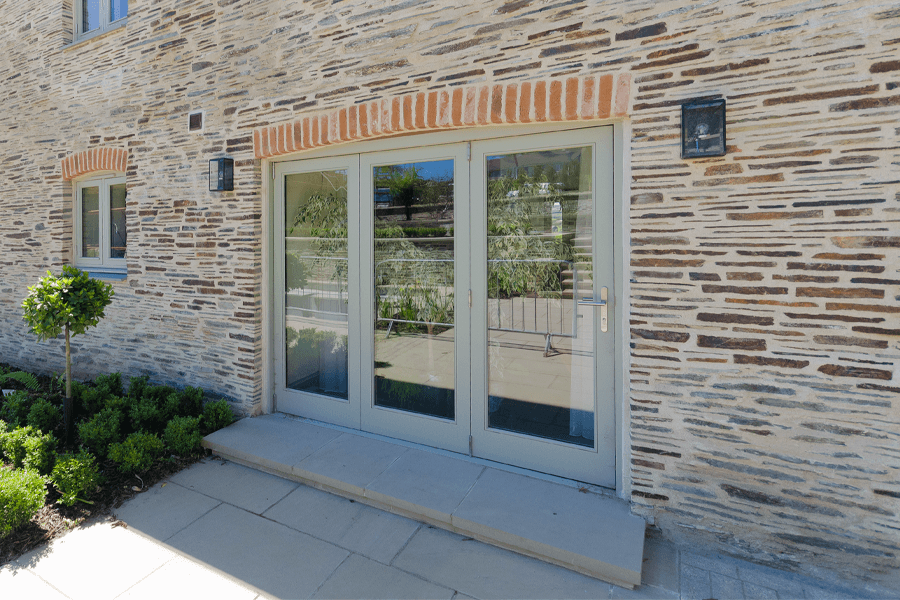
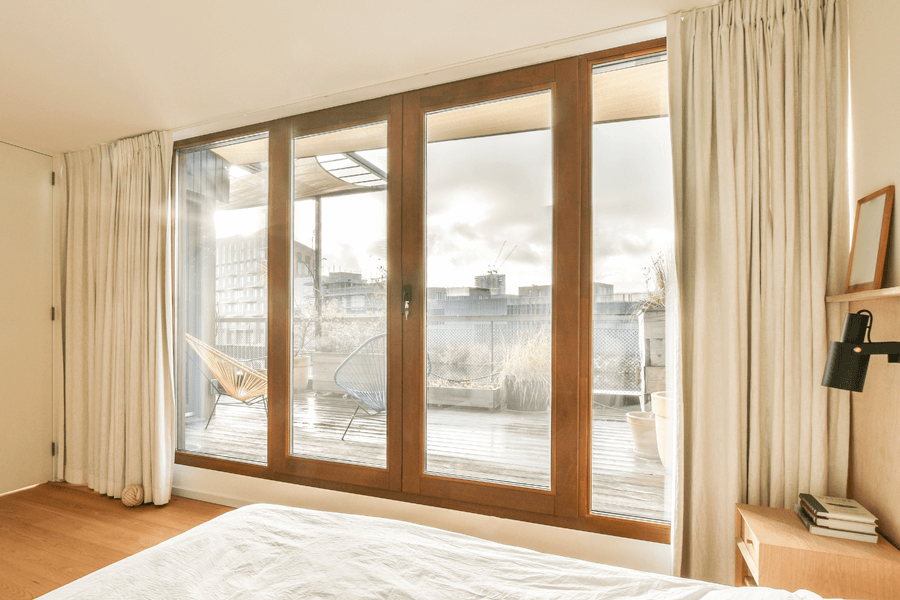
Large expanses of glass can open a home towards its surroundings. Floor-to-ceiling glazing can flood a space with natural light, while large sliding doors can make the transition between the interior and exterior feel almost seamless.
Rather than simply filling an opening in a wall, the glazing becomes part of the way the building is designed and experienced.
Designing Around the View
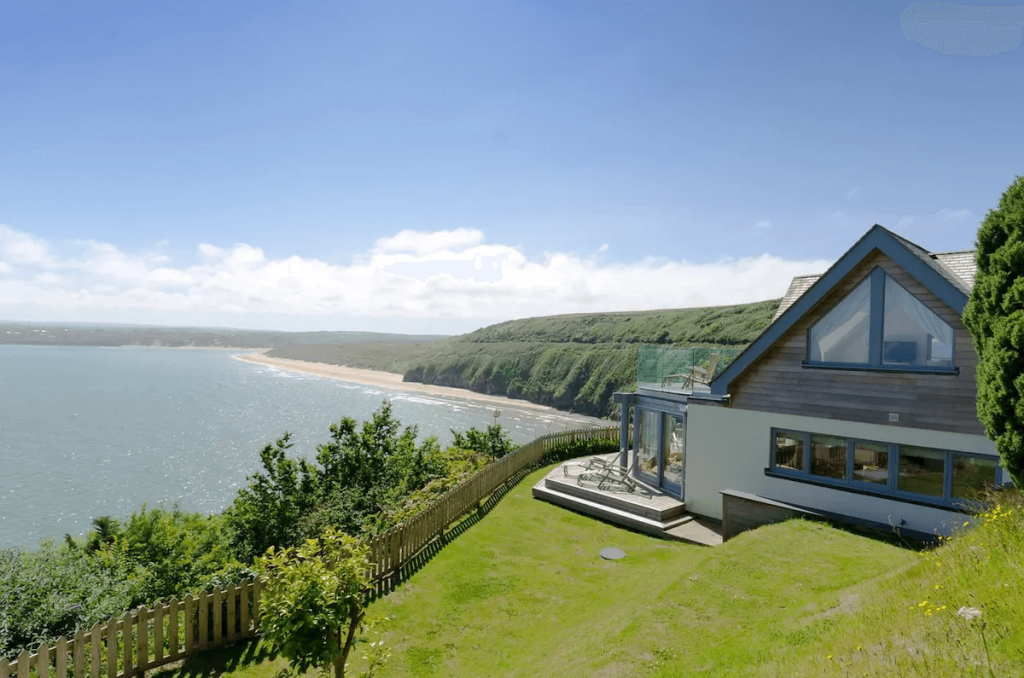
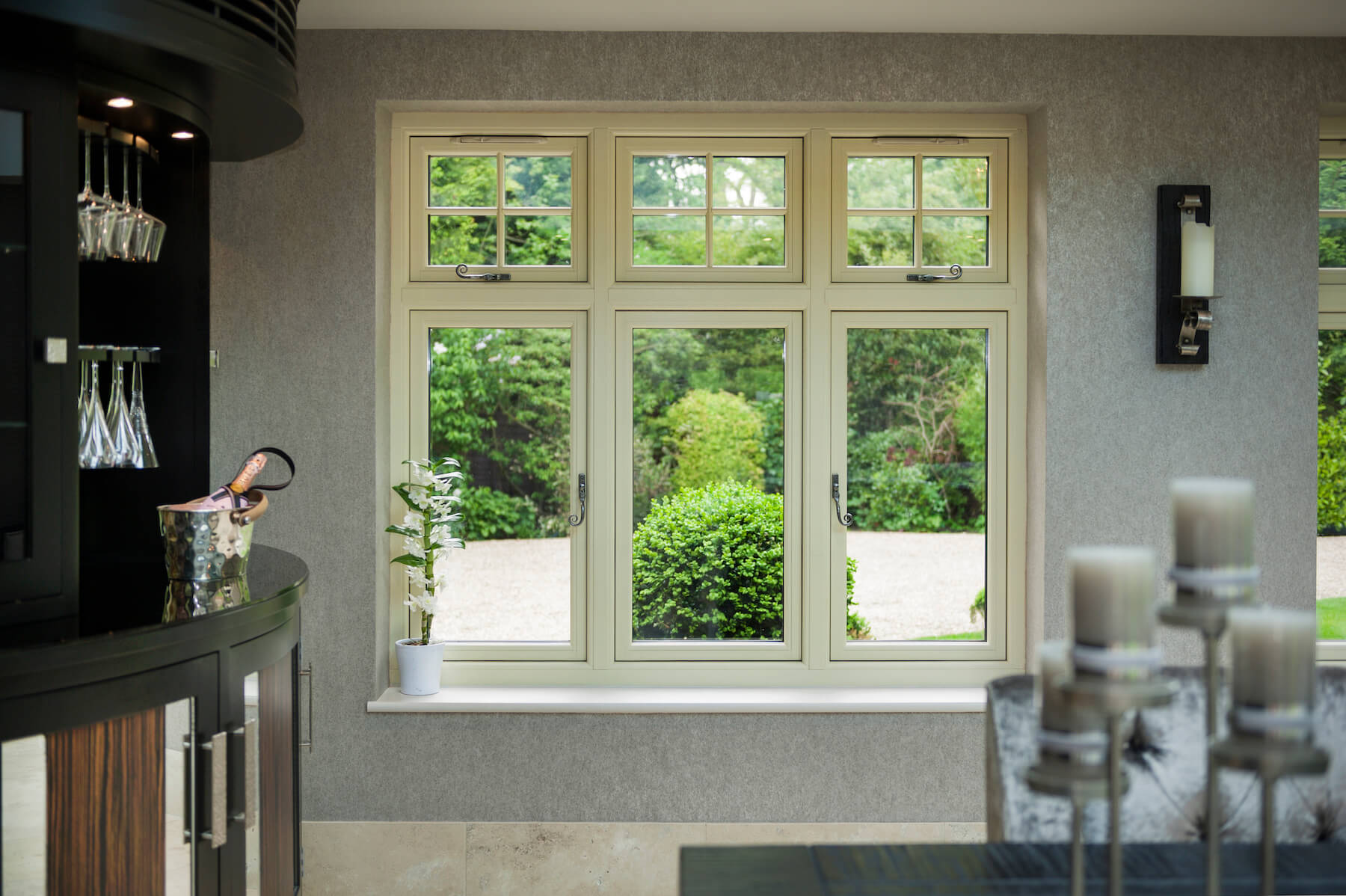
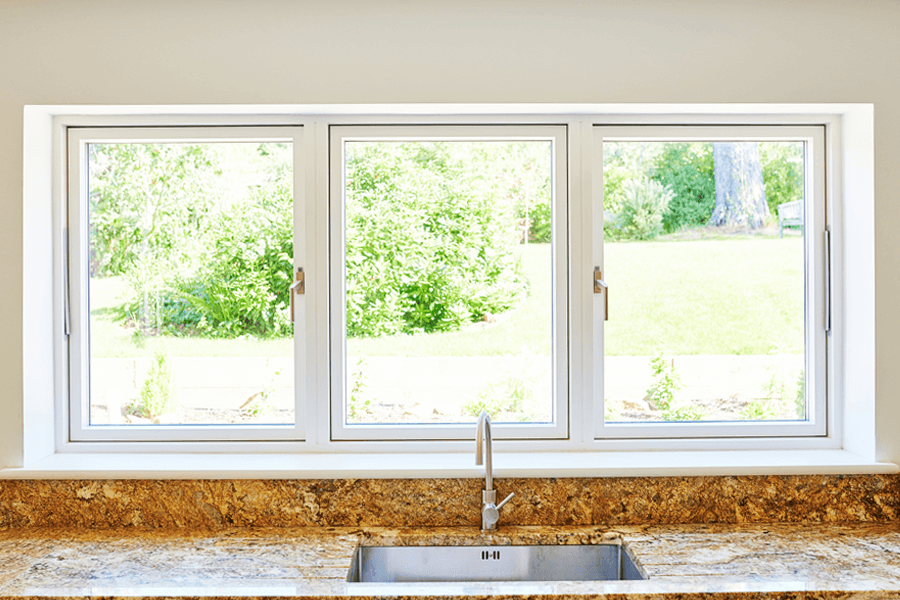
One of the most powerful things about architectural glazing is its ability to frame a view.
A carefully positioned pane of glass can turn a coastline, garden, woodland or countryside into part of the interior. Large-format glazing can take this further, removing much of the visual barrier between the building and the landscape beyond.
This is particularly relevant here in Cornwall and Devon, where the surrounding landscape can be one of the defining features of a property.
The glazing doesn’t compete with the view. It helps to make the view part of the architecture.
When the Opening Becomes the Feature
Windows aren’t the only opportunity to use glass as an architectural feature.
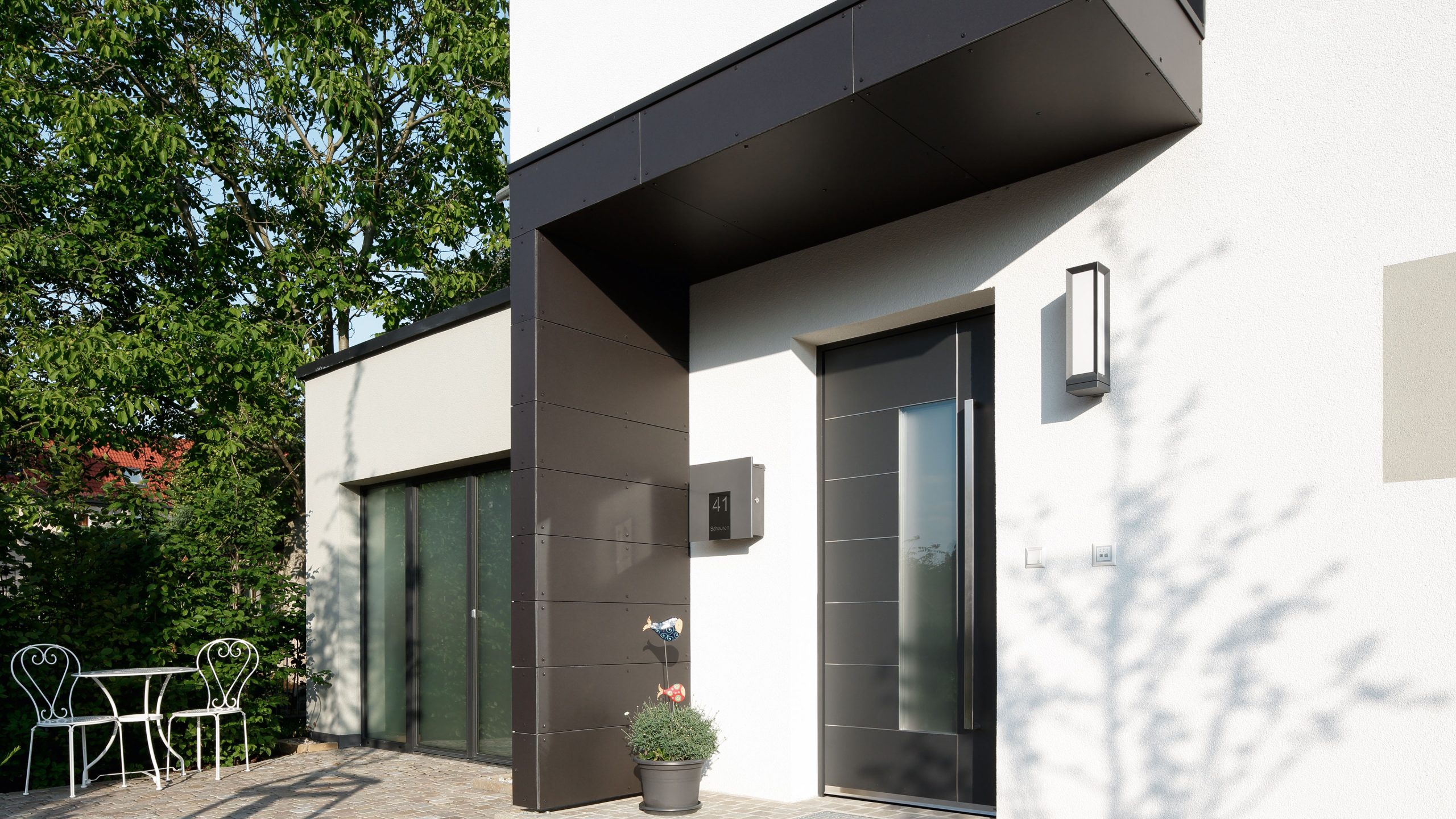
Oversized entrance doors, large sliding doors, expansive fixed glazing, glass balustrades and rooflights can all influence the character of a building.
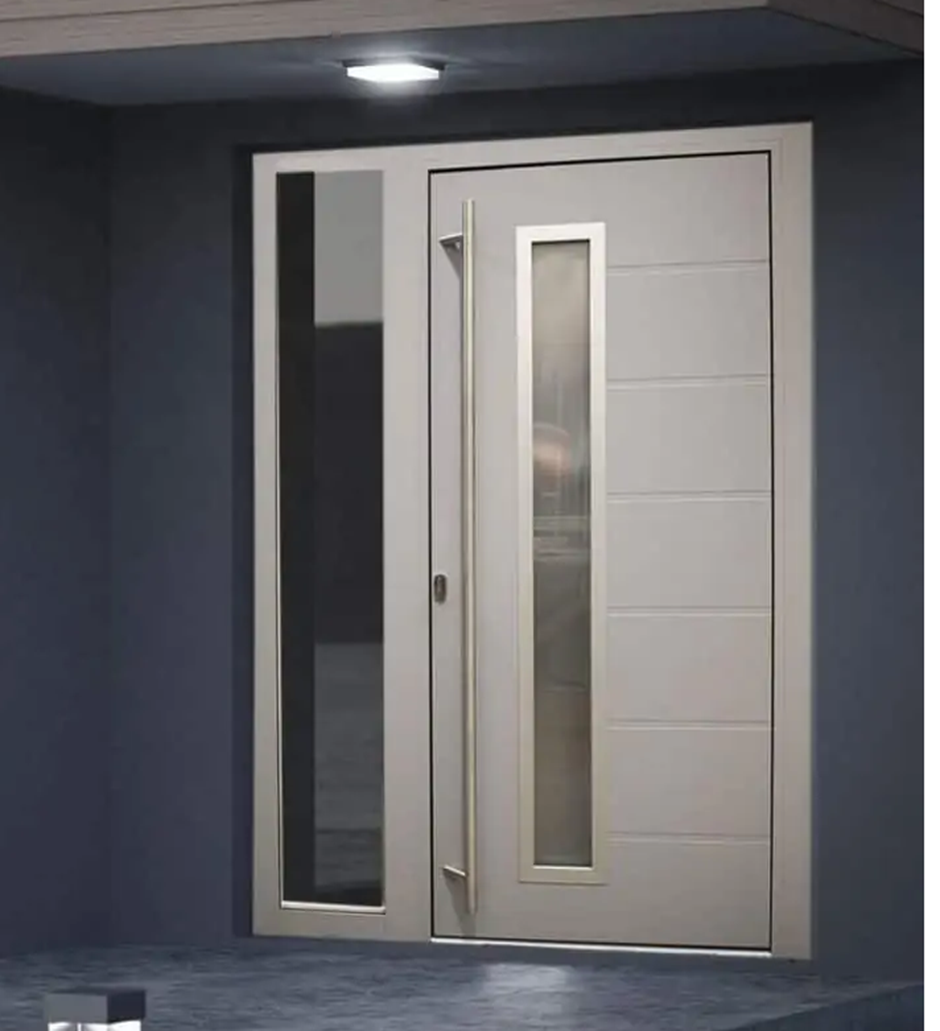
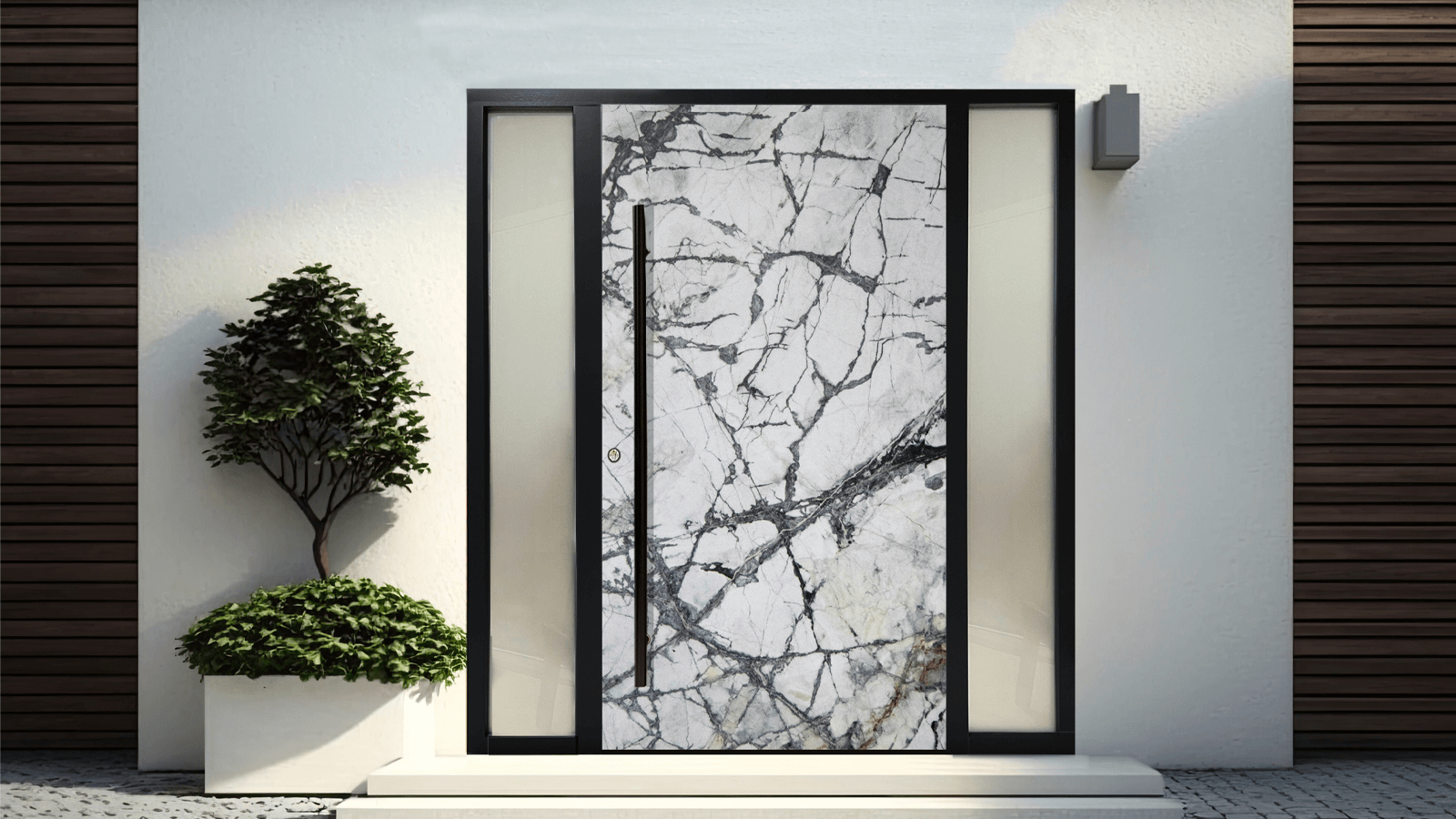
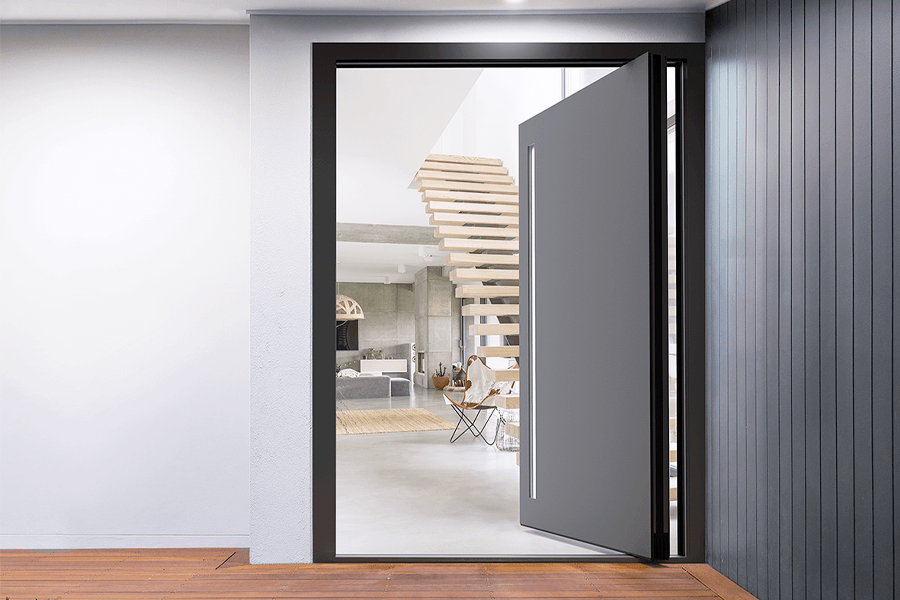
A statement pivot door can create a completely different arrival experience. A rooflight can transform a darker part of a home by introducing light from above. A glass balustrade can maintain an uninterrupted view where a traditional railing would otherwise interrupt the space.
Each element can be considered individually, but it is how they work together that can ultimately define the character of a project.
Less Frame, More Architecture
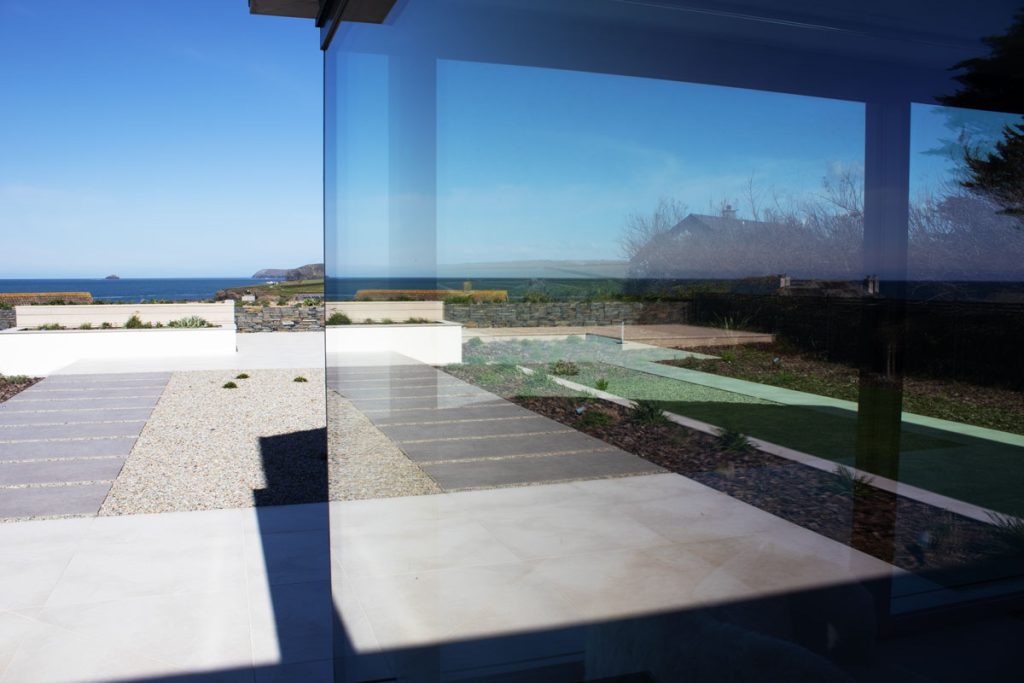
For contemporary projects, the frame itself can be just as important as the glass.
Slim sightlines and carefully considered proportions can maximise the amount of visible glass, allowing the architecture and surrounding landscape to take centre stage.
This doesn’t mean that the frame disappears entirely. Instead, its proportions, finish and relationship with other elements of the building become part of the design.
The smallest details can have a significant impact on the overall result.
The Possibilities of Bespoke Architectural Glazing
Not every project fits a standard set of dimensions, and not every architectural vision can be achieved with an off-the-shelf solution.
Bespoke glazing allows greater freedom to explore unusual proportions, larger openings, distinctive finishes and individual configurations.
For us, this is where the process becomes particularly interesting. The challenge isn’t simply finding a product that fits an opening; it’s understanding what the design is trying to achieve and finding a solution that works both aesthetically and technically.
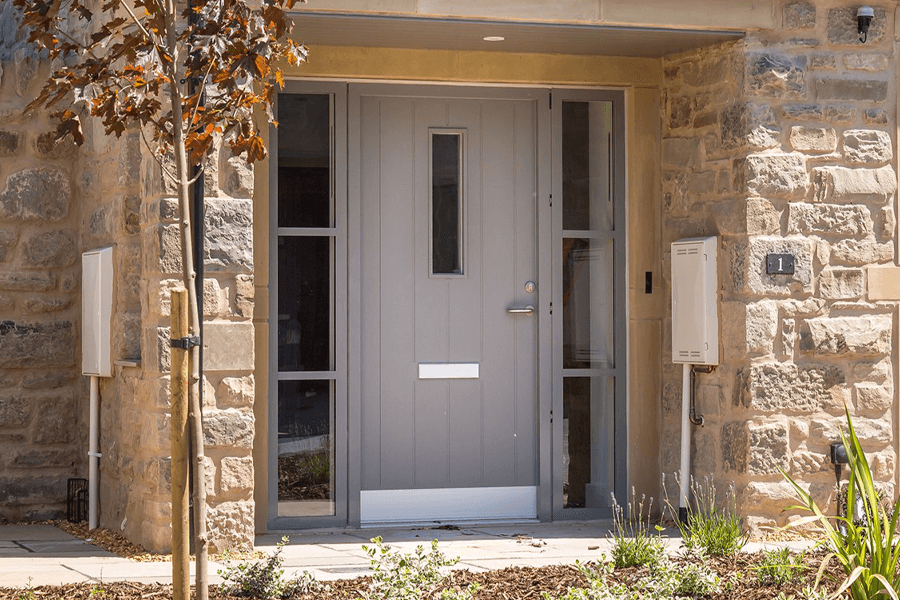
That might mean an oversized entrance, a dramatic glazed elevation, a complex combination of opening elements or glazing designed around a particular view.
Architecture, Craftsmanship and Performance
Of course, ambitious glazing needs to do more than look impressive.
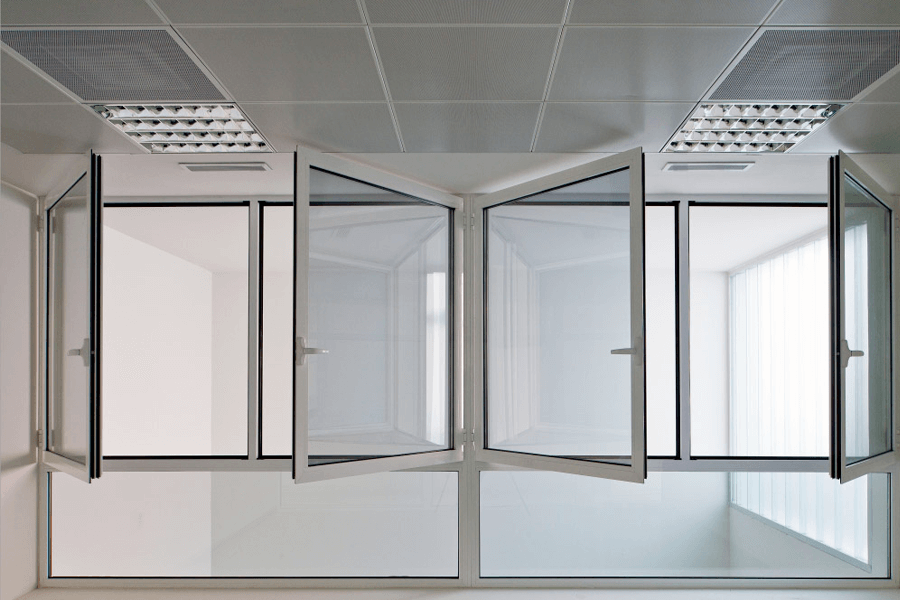
Behind every large glazed opening are considerations around structural performance, thermal efficiency, weather protection, security, glass specification and installation.
The finished result depends on all of these elements working together.
This is why architectural glazing is as much about the expertise behind it as the glass itself. Good design needs to be supported by careful specification, experienced manufacturing and precise installation.
Bringing Architectural Glazing Home
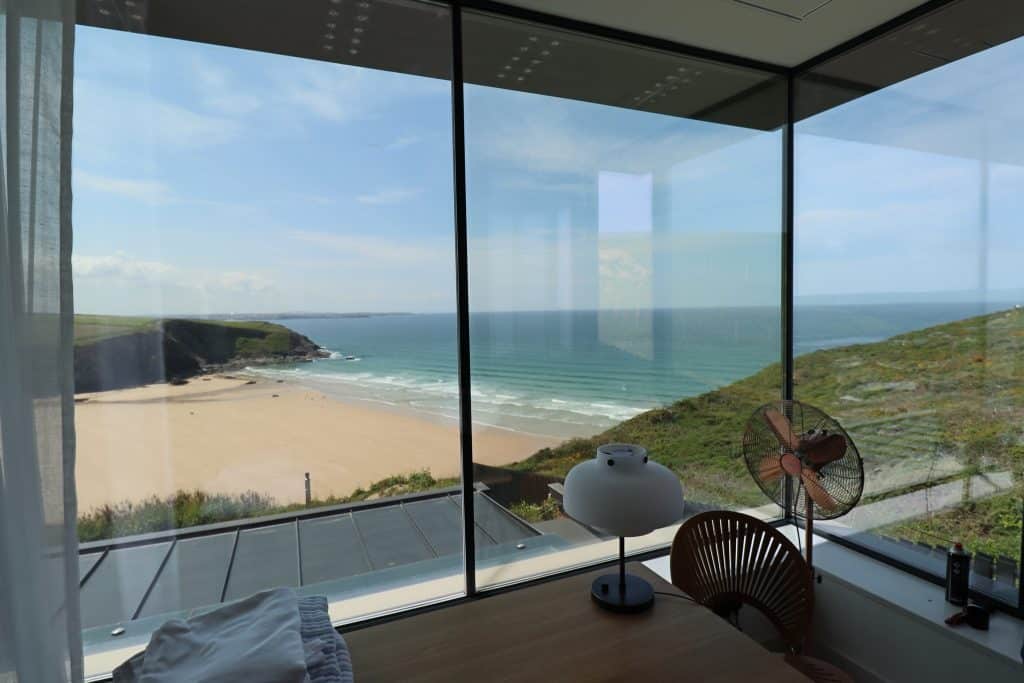
The world’s most recognisable buildings have shown us what is possible when glass becomes part of architecture.
But architectural glazing doesn’t need to belong exclusively to museums, skyscrapers and commercial architecture.
It can be used to create a stronger connection with a garden, frame a Cornish coastline, transform a living space with natural light or make an entrance a defining feature of a home.
At Camel Glass, we’re proud of the projects we’ve helped bring to life, but it’s the more ambitious and challenging designs that continue to excite us. From expansive glazing and bespoke entrances to complex installations, we’re always looking for new opportunities to push what is possible.
Because sometimes, glass isn’t just what fills the space between the walls.
It is what makes the architecture.
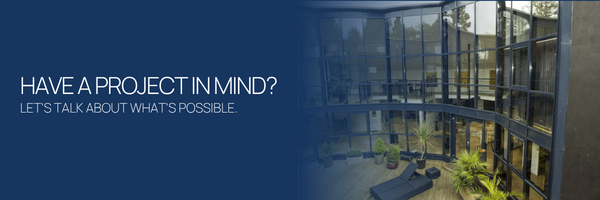
Have a project in mind?
Whether you’re developing an ambitious new-build or looking for a bespoke glazing solution, our team is here to help. Get in touch to discuss your project and explore what’s possible.