




















5 Common Signs Your Windows Need Replacing
It’s October, which means autumn is in full swing. For the Pumpkin Spice Latte lovers of the world, this can be a great thing, but there’s no denying the colder evenings and darker days are a stark difference from the summer we’ve had. With the change in weather, you might also start noticing some changes around your home. If you’re wondering about the signs your windows need replacing, there are a few things to look out for.
The windows that seemed perfectly fine through the warmer months can suddenly become much more noticeable once the temperature drops. Maybe you’ve noticed a cold spot next to the window, condensation that just won’t disappear, or a window that seems to be getting harder to open.
These might seem like small problems, but they can sometimes be signs that your windows are reaching the end of their life.
In this blog, we’ll look at five common signs your windows might need replacing, from draughts and condensation to visible damage and rooms that are difficult to keep warm.
Cold Spots or Draughts
Can you feel a breeze when you’re standing next to your closed window?
Draughts are one of the most noticeable signs that your windows may not be performing as they should. If you can feel cold air coming through or notice that the area around your window feels noticeably colder than the rest of the room, it could be a sign that the window isn’t sealing properly.
Draughts can come from a number of places, including worn seals, gaps around the frame or older glazing that is no longer performing as well as it once did.
You might notice them most on particularly windy days, when cold air can find its way through even the smallest gaps.
It’s also worth paying attention to cold spots around the edges of the window rather than just the glass itself. If the area around the frame feels particularly cold, it could be worth having your windows checked.
Condensation Between the Glass Panes
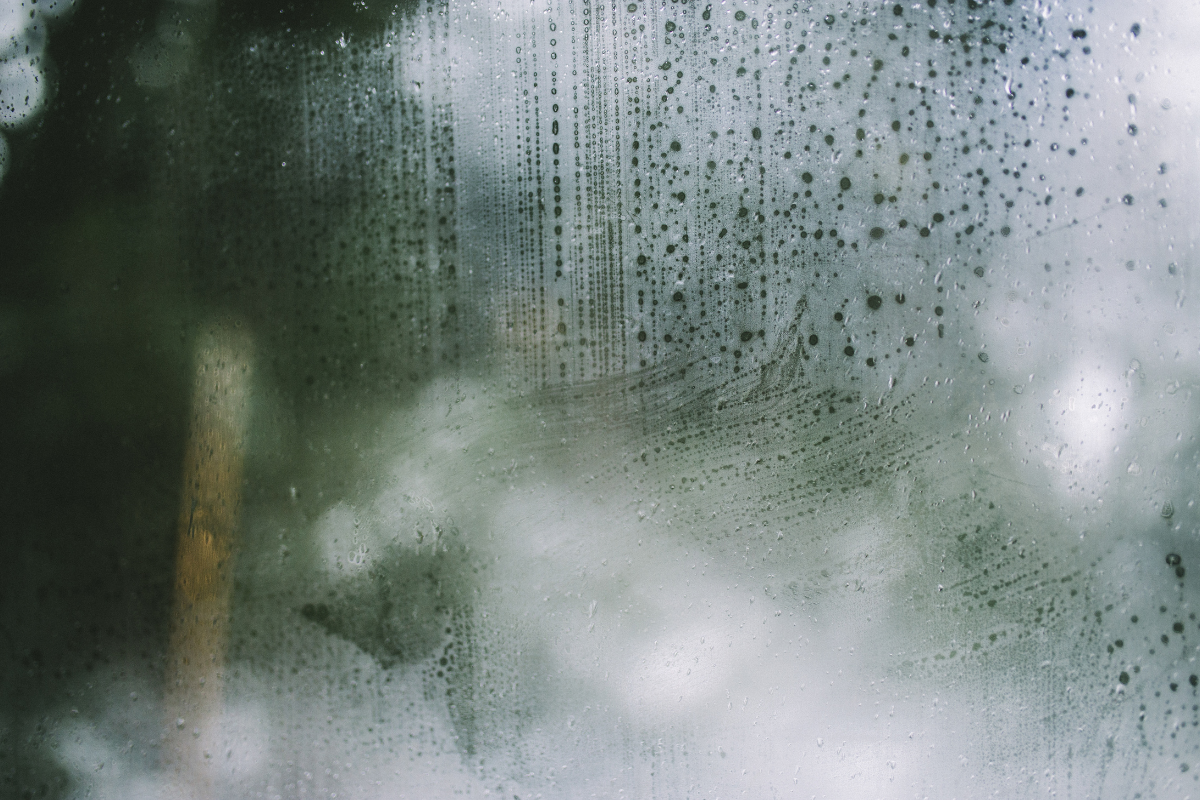
Can you see moisture trapped between your window panes?
We’re not talking about the morning condensation that appears on the inside of your windows and disappears as the day warms up. We mean moisture or mist that has become trapped between the panes of glass and never seems to go away.
This can be a sign that the sealed glass unit has failed.
Double glazing works by creating an insulating layer between two panes of glass. When the seal around the unit fails, moisture can get inside and you may start to see misting or condensation between the panes.
Not only can this make your windows look cloudy, but it can also affect their insulating performance.
If you’ve noticed that one or more of your double-glazed windows have started to look permanently misted, it could be worth getting them checked to see whether the glass unit needs replacing.
In some cases, you may only need replacement glass rather than a completely new window. A professional assessment can help determine the best option.
Difficulty Opening, Closing or Locking
Are your windows sticking or refusing to open?
A window that used to open and close with ease but now requires a bit of persuasion is another sign worth paying attention to.
Over time, windows can become difficult to operate due to general wear and tear, movement or changes in the frame, or problems with the hinges, handles or locking mechanisms.
You might find that you have to push or pull the window to get it into position, that the handle feels stiff, or that the window no longer closes properly.
It’s easy to put these things down to an old window simply being a little awkward, but if it’s becoming increasingly difficult to open, close or lock, it could become a security or safety concern.
If repairs are no longer practical or the window is showing several signs of wear, replacing it with a modern window could provide improved operation, security and ventilation.
Visible Damage
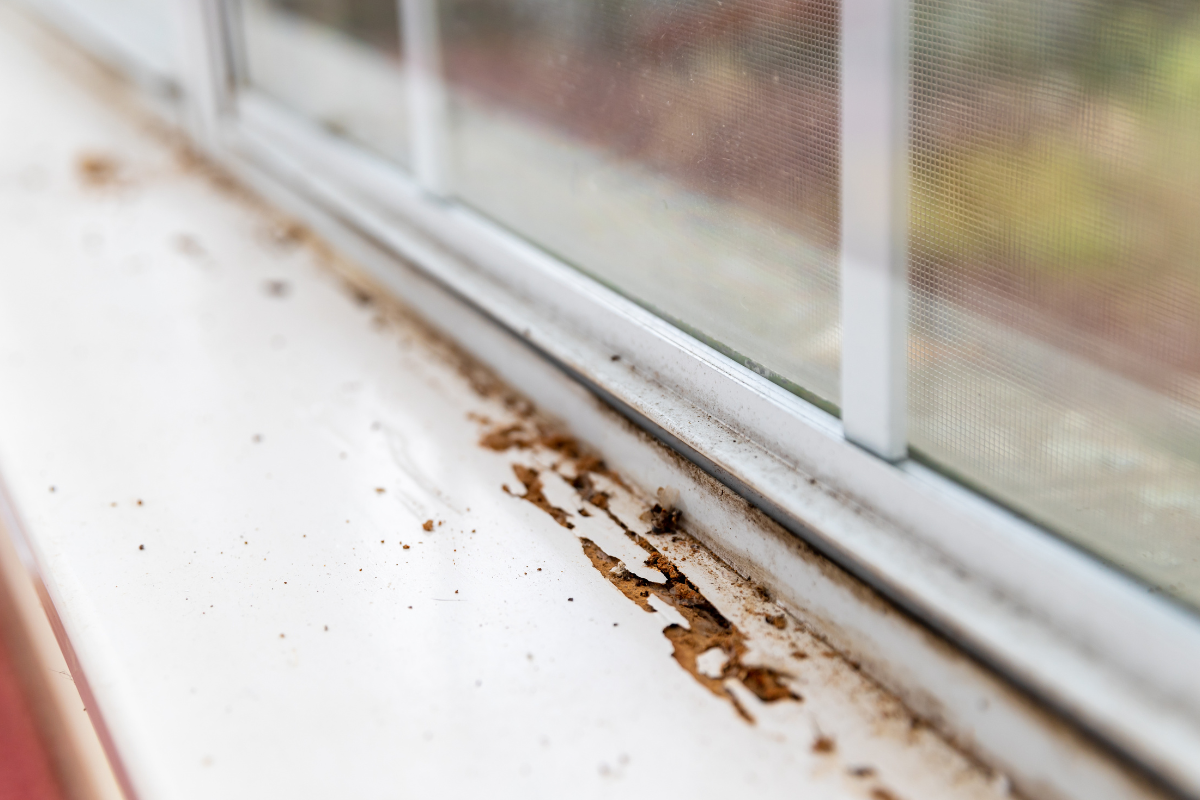
Have you noticed cracks or rot in your timber frames, peeling uPVC or water stains around the edges of your windows?
Visible damage is one of the more obvious signs that your windows may need some attention.
For timber windows, look out for areas of rot, cracking, peeling paint or deterioration around the frame. Timber windows can look great and last for many years when properly maintained, but once damage starts to take hold, it can become more difficult to keep on top of.
With uPVC windows, you might notice cracks, damaged seals, discolouration or other signs of deterioration.
It’s also worth looking at the area surrounding the window. Water stains, damp patches or signs of water getting in around the edges of the frame could indicate an issue that needs investigating.
Not every sign of damage means the whole window needs replacing. In some cases, a repair or replacement glass unit could be enough.
However, if the frame itself is significantly damaged or deteriorating, replacing the window may be the better long-term option.
Rooms Feel Cold Even When the Heating Is On
Is your heating on, but certain rooms still feel noticeably colder than others?
If you’re finding that some rooms feel chilly even when the heating is on, or you’re constantly turning the thermostat up to stay comfortable, your windows could be contributing to heat loss.
Older or poorly performing glazing can allow more heat to escape, making it harder to maintain a comfortable temperature in your home.
You might notice this particularly around larger windows or doors, or in rooms where you spend a lot of time sitting close to the glass.
Of course, windows aren’t the only thing that can affect the temperature of a room. Insulation, heating systems, doors and the construction of the property can all play a part.
But if you’re also noticing draughts, cold spots or condensation, it could be worth taking a closer look at the condition and performance of your windows.
Could Your Windows Need Replacing?
If you’ve noticed one or more of these signs, it doesn’t necessarily mean you need to replace every window in your home.
Sometimes, a repair, new hardware or replacement glass unit could solve the problem. In other cases, particularly where windows are older or showing several signs of deterioration, replacing them could improve the comfort, security and performance of your home.
The important thing is not to ignore the small signs.
That draught you’ve noticed for the last few winters, the window that has become increasingly difficult to open, or the condensation that never quite disappears could all be worth investigating.
If you’re considering replacing your windows, our team can help you understand what might be causing the problem and talk you through the options available for your home.
After all, your windows should help keep your home comfortable, secure and protected from whatever the Cornish weather decides to throw at it.
Not sure whether your windows need replacing? Get in touch with our team and we can talk you through your options and help you find the right solution for your home.